Relief from Back Pain using Inversion Tables

Relief from Back Pain using Inversion Tables
Inversion Tables - Inversion Therapy - Benefits and Back Pain Relief
If you suffer from back pain, or if you know someone who does, then in addition to exercises such as yoga or manipulation by a chiropractor, you might like to consider inversion therapy and investing in your own inversion table. Inversion tables are growing in popularity as a means to help relieve back pain and also to improve the overall health of your spine. They have been around for a long time!
Almost 2500 years ago, in 400 B.C. Hippocrates, was using ropes and pulleys to suspend patients suffering from back pain. The treatment works by the simple effect of gravity which allows the joints and vertebrae to stretch and decompress and ease pain.
Inversion tables and inversion therapy have evolved since and became widely recognized in the USA in the 1960s thanks to the work of Robert Martin, who created the “Gravity Guidance System,” to ease back pain and correct poor posture.
Arguments about the usefulness of inversion therapy led to the conclusion that inversion caused no harm to the body and could be beneficial.
Inversion thus started to grow in popularity in the 1990s and now many people are convinced it is an excellent way to eliminate back pain. This article was first published here - buy inversion tables
Inversion Tables Benefits
Inversion Table Demonstration
People who actually use inversion tables say they are ideal for people of all ages and all fitness levels, and that they represent an excellent way to ease chronic back pain and joint problems.
Inversion tables are used to treat back pain, but are also used to alleviate other negative effects of gravity. Inversion has sometimes been called the "Quiet Side of Fitness", as it helps your body recover from the negative effects of gravity. Therapists, doctors and trainers acknowledge that inversion is an effective form of therapy for weight-bearing joints and the spine.
The US Army has started to include Inversion into its training manuals.
Many Forms of Back Pain can be relieved by inversion. How ? You may ask.
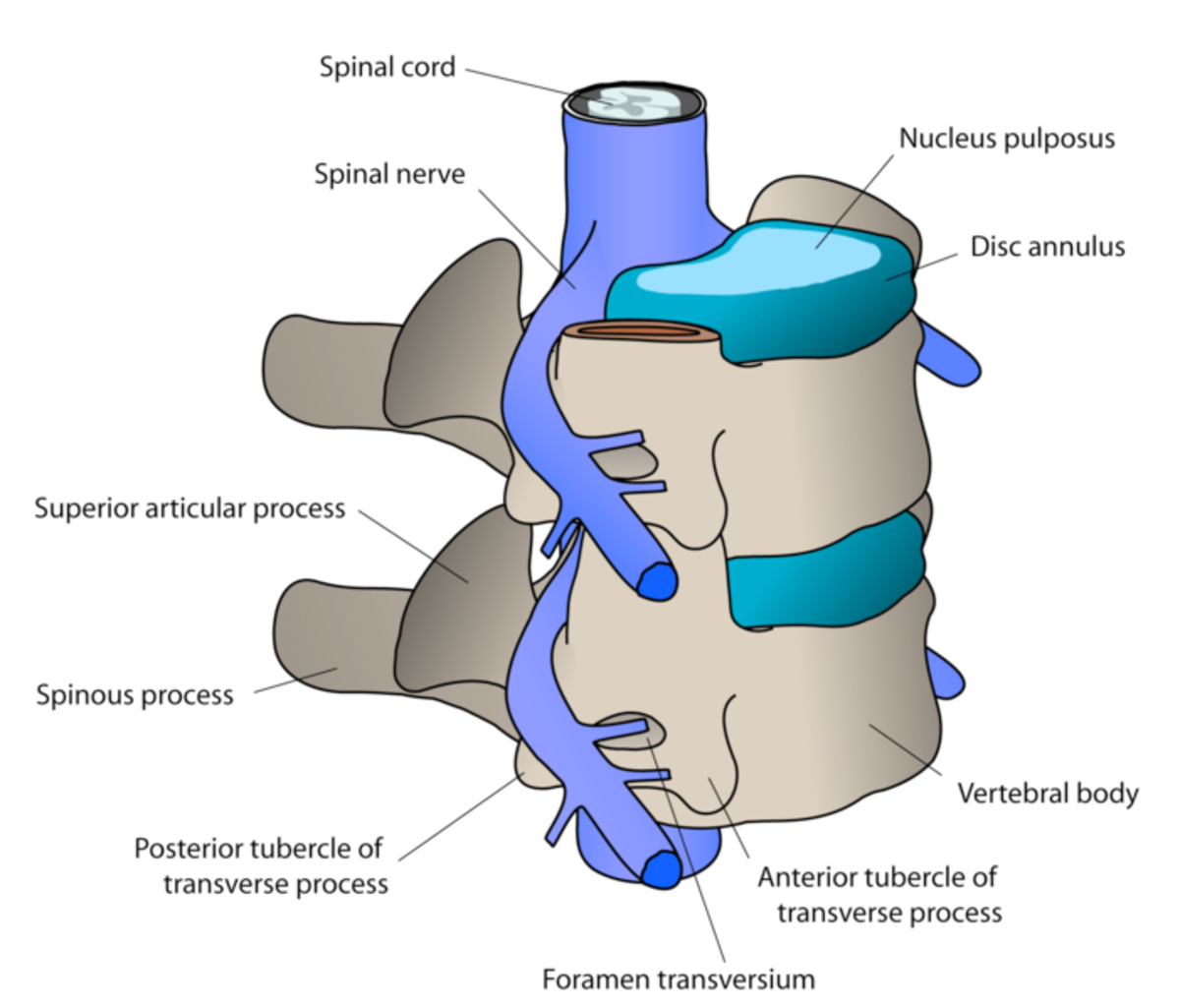
Inversion tables cannot really be considered to be exercise equipment but they offer a form of passive exercise and make use of the power of gravity to your advantage by increasing the space between the vertebrae. This relieves the pressure on the discs, ligaments and nerve in your spine and therefore reduces pain. The nerve roots leave the spine through an aperture between the vertebrae, the size of which is controlled in the main by the thickness of the intravertebral disc.
Stress and tension can lead to muscle spasms in the back, shoulders and neck, and can also cause headaches. Tense muscles reduce the oxygen supply and blood and lymph flow, causing waste chemicals to accumulate in the muscles. Inverting the body even by as little as 25 degrees for just a few minutes can help relax muscles and accelerate the flow of lymphatic fluids which flush waste products out of the body. The speed with which these waste products are removed, and oxygen is introduced, determines the speed at which
pain disappears in the muscles. Studies have shown that "electromyographic activity, an indicator of muscle pain, declined over 35% within ten seconds of assuming the inverted position".
A regular program of inversion can also help improve posture and maintain your body in balance.
It is worth noting too, if you suffer from lower back pain, in particular sciatica, and have been looking for an effective form of sciatica treatment, that researchers at Newcastle University in the UK have reported a preliminary study that claims that inversion therapy is an effective "conservative treatment" for patients and can help them avoid back surgery.
The study related principally to patients who had been informed that surgery would be required to relieve their sciatica pain resulting from a herniated disc. Two groups of patients followed different treatments - a Conservative group practised just regular physiotherapy, whereas a Conservative + Inversion group underwent physiotherapy plus exercises on an inversion table.
The results were very encouraging - those sciatica patients who underwent inversion using a Teeter Hang Up were over 70% less likely to need surgery.
Discs
Discs have three roles to fulfil :-
· Separating the vertebrae
· Providing flexibility to the backbone
· Acting as shock absorbers
Communication between the body and the brain is through nerves that traverse each vertebra. Disc separation is therefore very important.
Insufficient distance between the vertebrae can result in nerve root pressure and pain. The inner core of the discs ensures flexibility and "cushioning" in the back. When discs are compressed the vertebrae place more pressure on the nerve roots, which can lead to more pain. Increasing the space between vertebra will decrease the pressure on the discs.
Lying down helps relive the pressure on the discs but inverting is even more effective. If you consider standing as exerting a pressure of 100%, then lying down is equivalent to 25%, inverting to 60 degrees reduces the disc pressure to zero.
Inversion is an excellent way to relax. People have been practising yoga, in which inverting the body in headstands and shoulder stands is an essential aspect, for centuries practitioners. Not everybody is able to do head stands, but everybody is capable of inverting on an inversion table.
Inversion Improves Circulation and Speeds Up Cleansing of Blood and Lymph Fluids
Under normal circumstances blood is carried upwards from your legs against the force of gravity. Inversion allows blood to flow with gravity. The lymphatic system functions without a pump, it is the the alternate contraction and relaxation of muscles that forces lymphatic fluid to move "uphill" through one-way valves and capillaries to the upper chest where it is cleansed. Inverting the body facilitates this work. As the lymphatic system is cleared, the aches and pains caused by stiff muscles disappear.
Inversion Helps Increase Oxygen Flow to the Brain
The brain represents only 3 % of total body weight, but it consumes 25% of the body's oxygen. A brain that receives a better blood supply and oxygen functions better. It is also claimed by some that increasing blood circulation to the head can also improve skin colour and tone, increase alertness, and improve vision and hearing. There are even claims that hair becomes healthier, and may even grow back.
Inversion decongests the internal organs
As you age, your internal organs tend to move downward due in part to the force of gravity. Inversion can help organs resume their normal shape and location in the body.
(NOTE: People with high blood pressure should consult a doctor before starting an inversion program.)
Inversion can relieve varicose veins by helping your heart clear the blood from your feet and legs.
Benefits for Athletes
Although athletes are very active, the effect activities such as running, aerobics, skiing, etc... can be detrimental over time to the spine and discs and even lead to misalignments. Inversion plus movement (e.g. bending from side to side, arching the back, and sitting up or two) can realign the spine
Finally, inversion offers a system that counter-effects the force of gravity that helps to slow compression of the body. It can be highly beneficial. Thhousands of people find that regular inversion provides relief from back pain, rejuvenates the whole body, and provides numerous other health benefits.