Bourbon: A Kentucky tradition

click on image to enlarge
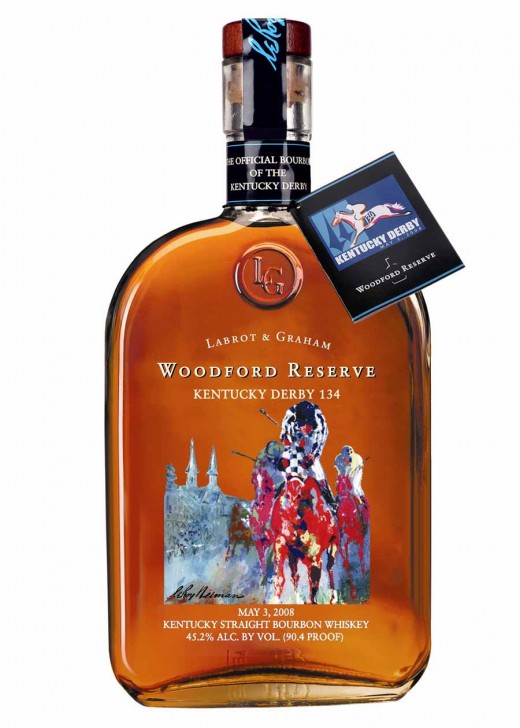
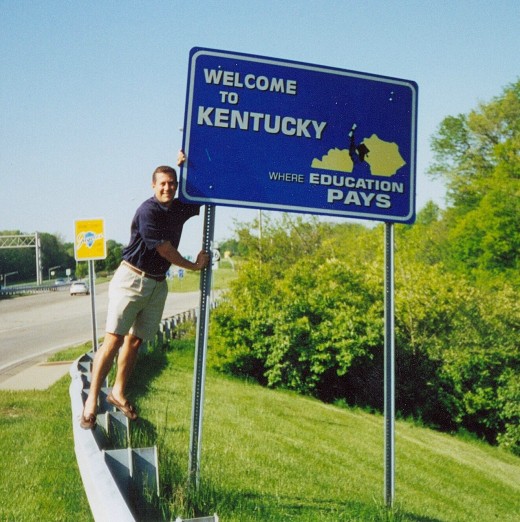
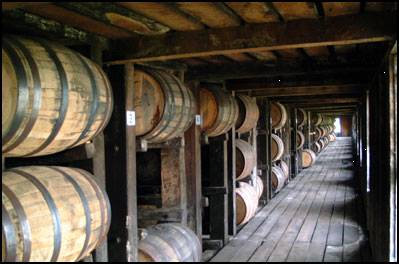
Nothing says Kentucky like Bourbon.
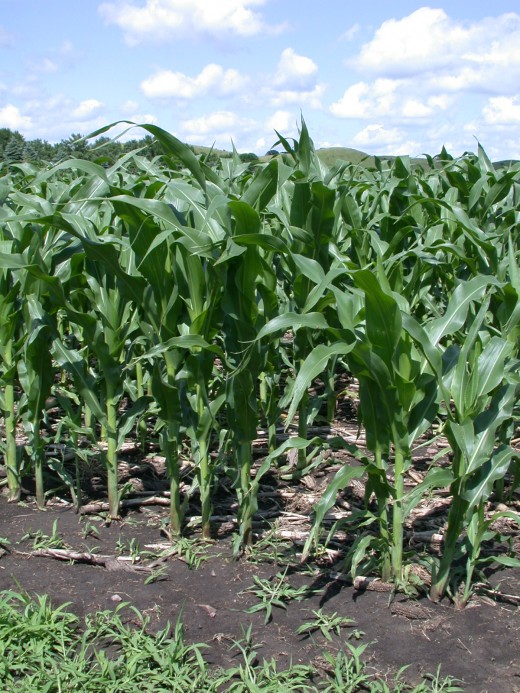
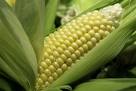
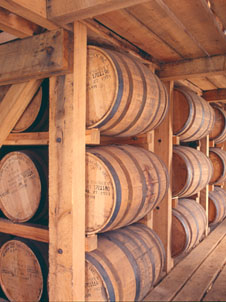
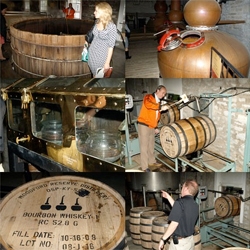
An act of congress in 1964 declared Bourbon to be "America's Native Spirit" and its official distilled spirit. Most bourbons are distilled in Kentucky and it is widely believed that only Kentucky whiskey can be called Bourbon. Kentucky produces 95% of the world's bourbon, and to be called bourbon, it must be made in the US, contain at least 51% corn mash, and be distilled at 160 proof , then at 124 proof, then be put into charred white oak barrels for aging. The aging process takes 2 years. The resulting whisky is caramel in color with the flavor of vanilla and fruit. No other state can use the name Bourbon, even if it is made with sour mash, as the Kentuckians make it.
How it all began
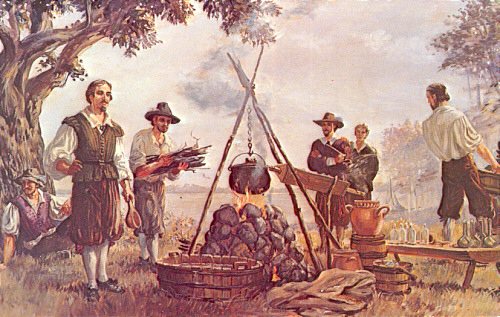
Around 1780, early Scotch and Irish settlers and their descendants brought their whiskey making skills to America. Many of them settled in Kentucky and became farmers. They soon set about growing crops for their subsistence. Since corn was a native crop, it was grown abundantly in Kentucky, at that time. After a while, these frontier farmers began distilling their surplus corn and producing a new kind of whiskey. Distilling is the process of removing the alcohol from the corn mash by by heating it and capturing the vapor, which contains alcohol and flavor. According to legend, a Baptist preacher of Scottish heritage, who had come to Kentucky in 1786, aged his whiskey in barrels that had been charred on the inside. This whiskey had a better, smoother taste, along with a distinctive amber color.
One of the three original counties in Kentucky was Bourbon County, established in 1785 when Kentucky was still a part of Virginia. Bourbon was named after Bourbon County, where it was first distilled in 1789. Farmers soon began shipping it from the port on the Ohio River in Bourbon County, down the Mississippi River to New Orleans in Oak barrels, used as shipping containers. The whiskey aged during shipment and its flavor was mellowed by the oak wood. This Bourbon County corn whisky grew in popularity, and by the early 1800s, corn whiskey, produced in other parts of central Kentucky, came to be known as Bourbon whiskey.
A group of distillers became legendary in the area: "Jacob Beam brought his family from Maryland in the late 1780s and started his first distillery in Washington County. Dr. James Crow (Old Crow), arrived in Kentucky in 1823 from Scotland, developed the process of making Bourbon known as the “sour mash method” in 1835. Basil Hayden began distilling whiskey in Kentucky as early as 1796. T. W. Samuels turned his family’s Nelson County farm into a distillery in 1844. Elijah Pepper set up a still near Frankfort in 1778. A grand-nephew of President Zachary Taylor, Col. Edmund H. Taylor, Jr., who began his career in 1867, pioneered the “Bottled in Bond Act” which was passed by Congress in 1897." (taken from Buffalo Trace Distillery historical notes).
Mint Juleps
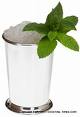
Kentucky takes pride in its traditional Mint Julep, made with Kentucky Bourbon. It is always made with fresh mint, bourbon and plenty of crushed or shaved ice. It grew out of Kentucky traditions and the Kentucky Derby. But, ever since plantation days when gentlemen farmers started the day with a similar sweet and herbal drink made with rum or whisky, many other southern states also lay claim to the drink, including North Carolina and Virginia. I am not fond of Mint Juleps. I don't drink, but even if I did, I wouldn't drink them. However: I do know how to make them and, if you'ld like to try one, here's a good recipe with a little history to boot.
Cooking with Bourbon
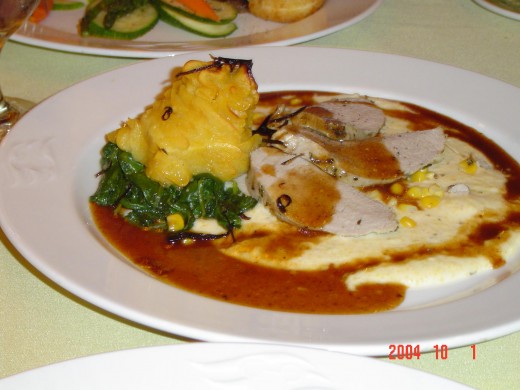
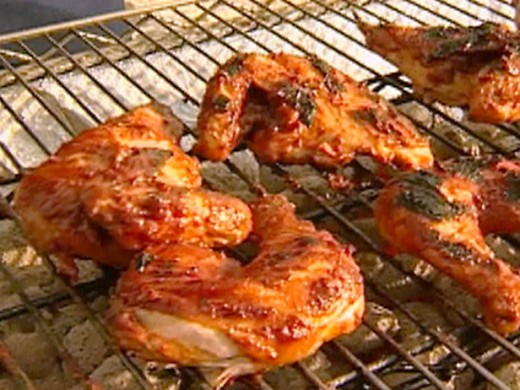
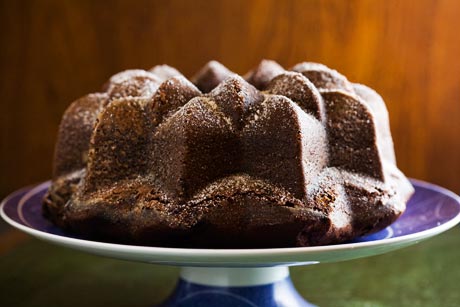
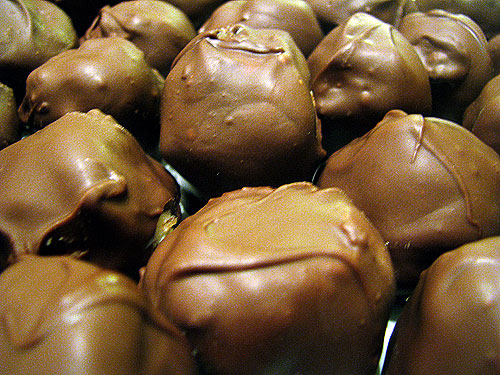
Today, Bourbon is used in many recipes. It lends a flavor of vanilla, caramel, charcoal and a light wood taste and works well with both sweet and savory dishes. Similar to brandy in flavor, a good well-aged bourbon can replace brandy in most recipes. Traditionally used in desserts and candy, it's also frequently used in barbecue sauces, marinade and many main dishes. Some popular uses are in the following dishes: candied yams, bourbon shrimp, bourbon barbecued chicken, beef, or pork, grilled orange/bourbon salmon, apple/bourbon baked ham, various sauces and marinades, sweet potato pie, chocolate/nut pie, coffee/bourbon ice cream shakes, chocolate/bourbon cake, and chocolate candy bourbon balls. Recipes for these dishes and more can be found on the Internet. Beverage and food recipes, using Bourbon, can also be found at The Woodford Reserve Distillery site.
Does the alcohol cook out?
Whether alcohol remains in a finished dish after cooking, and how much, depends on the cooking method. When foods are cooked on high heat for a long period of time, such as soups and stews, the majority of the alcohol evaporates out. Pure alcohol boils at 173 degrees F., a lower temperature than water (212 degrees F.). So, you will find that recipes, which intend for some of the alcohol to remain, will have instructions to add the alcohol near the end of the cooking process so it will not boil out. Obviously, uncooked recipes will retain the majority of the alcohol.
If you are worried about serving a dish cooked with alcohol to a child, alcohol is a naturally-occurring substance in many foods, particularly fruits with a high sugar content such as very ripe apples. The amount used in a recipe is usually very minimal and is spread out over a large volume of food, comparatively-speaking. It is a personal decision, of course, still, it is a good idea for those on anti-abuse medication for alcohol problems to avoid foods cooked with alcohol.