When Should This Wound or Injury Get Medical Stitches?

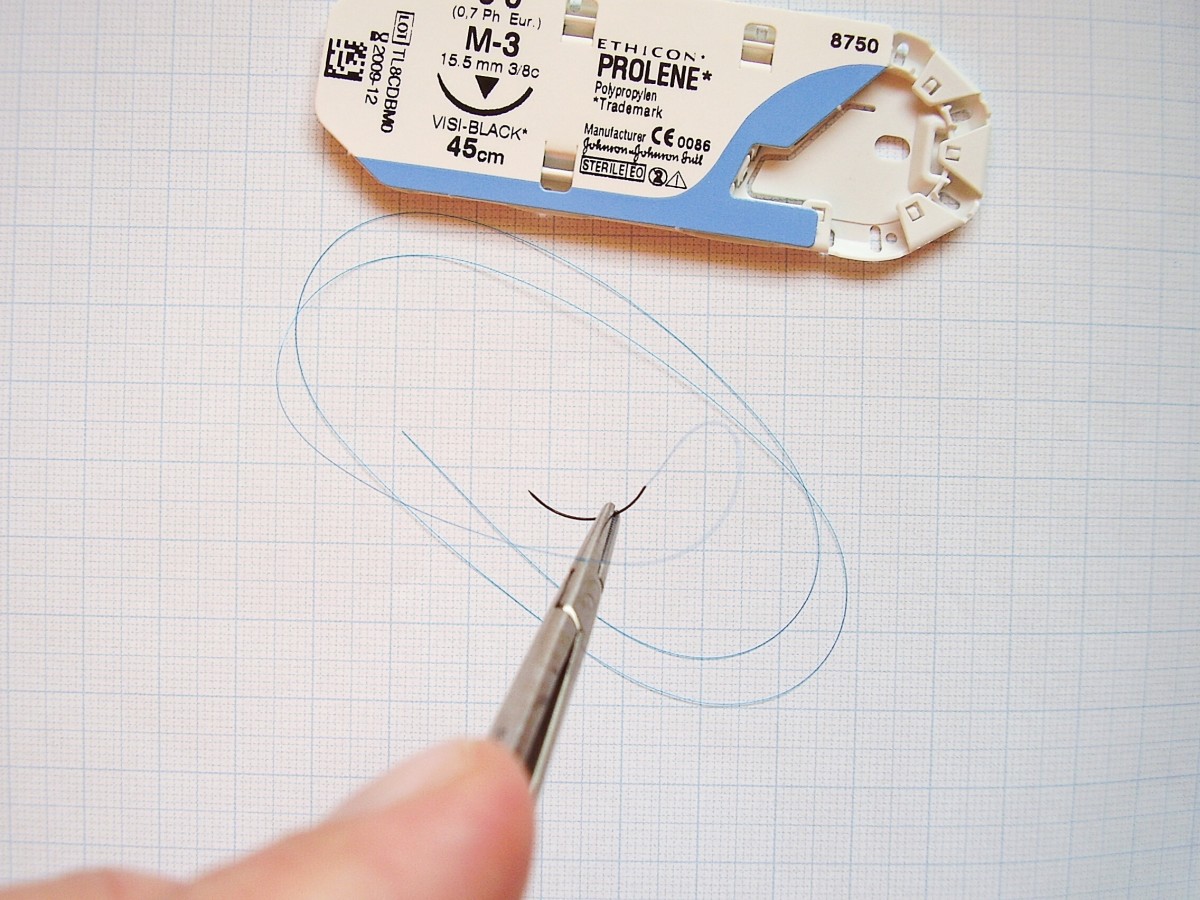
Wound sutures can prevent scarring and infection.
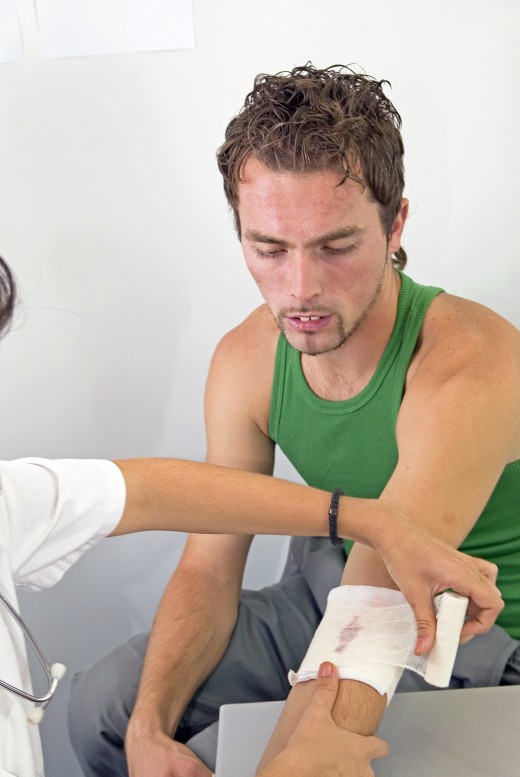
Minor Injuries Can Occur at Any Time
If you suddenly cut yourself in the kitchen, or your bleeding child comes running into the house while playing, how do you decide if this minor injury will require wound sutures, or whether a band-aid will suffice? If your grandchild steps on a rusty nail, should you remove it yourself? What if your child is bit by the neighbor’s dog, or even by a playmate? Are you certain you know what to do when these childhood injuries occur? Emergency room doctors can often quickly reduce the damage by correctly cleaning out the wound and closing it with some simple surgery stitches that will speed healing and prevent infection.
When I was a Scout leader, part of the leadership training involved helping us assess when an injury could be cleaned up with the ingredients from our First Aid Kit and when we needed to take the child to the closest emergency room. This training was invaluable and has helped me innumerable times with my own children.
According to the Scout training I received and the American Red Cross First Aid literature, below you will find guidelines which will help you make that decision. Remember, however: If you have any doubt about whether you are able to properly care for an injury, it is better to err on the side of safety and take the person to the emergency room. When it comes to health, it is always better to be safe than sorry.
Rules for Medical Stitches
Although you may be tempted to skip getting stitches when you have been cut or injured, it may reassure you to know that medical stitches often help the wound heal more quickly, with less scarring and less chance of an infection. As a result, if you or someone you love sustains a serious cut, in particular if the injury is bleeding profusely, you may want to see a doctor about stitches.
You should get medical stitches if:
The edges of a cut will not fall back together;
The cut is over an inch long;
There is heavy bleeding, especially if you are having trouble getting it to stop;
If you believe that an artery may have been nicked;
If you can see the muscle, a bone or a joint inside the cut;
If the cut gapes widely;
If it is a head wound; they often need stitches because the scalp bleeds easily.
Below, you will see more information about when you should see a doctor after an injury ... just to make sure it doesn't develop into a more serious condition.
You May Want to Own This First Aid Guide to Help You Remember these Rules and With All Kinds of Emergencies!

More Reasons a Doctor Should See Your Wound
In addition, there are other reasons why you should not try to deal with a serious injury yourself, but immediately see a doctor, instead.
Here are Examples of When a Doctor Should Check Your Wound
If there is a deep puncture wound;
If an object is embedded in the wound; Do Not try to pull the object out because it may increase the bleeding;
If there is other debris in the wound which cannot easily be rinsed out - a doctor may need to remove it;
If the injury involves the hands, feet or face;
If you want to minimize scarring, especially on the face;
If you have been bitten by either an animal or a human, since these types of bites can become infected easily. This is particularly important if the animal was wild. It is possible the animal is infected with the rabies virus. Prompt attention is the only way to save your life.
In addition, if the injury was sustained from “tornado shrapnel,” you should see a doctor. There have been recent reports that many people have developed infections when small fragments of wood, metal, plastic, gravel and other items have gotten embedded in their skin after they were exposed to severe wind damage. These items are often filthy, and these seemingly minor cuts and splinters can create serious health problems days or even weeks after the shrapnel was embedded in the victim's body.
Finally, ANY serious injury should be examined by a physician as soon as possible, in order to prevent permanent damage, scarring or infection. In many cases, proper cleaning and wound sutures can prevent future problems.
This content is accurate and true to the best of the author’s knowledge and does not substitute for diagnosis, prognosis, treatment, prescription, and/or dietary advice from a licensed health professional. Drugs, supplements, and natural remedies may have dangerous side effects. If pregnant or nursing, consult with a qualified provider on an individual basis. Seek immediate help if you are experiencing a medical emergency.
© 2011 Deborah-Diane