- HubPages»
- Education and Science»
- Life Sciences»
- Entomology
The interesting world of spiders, and spider’s webs

There are many spiders
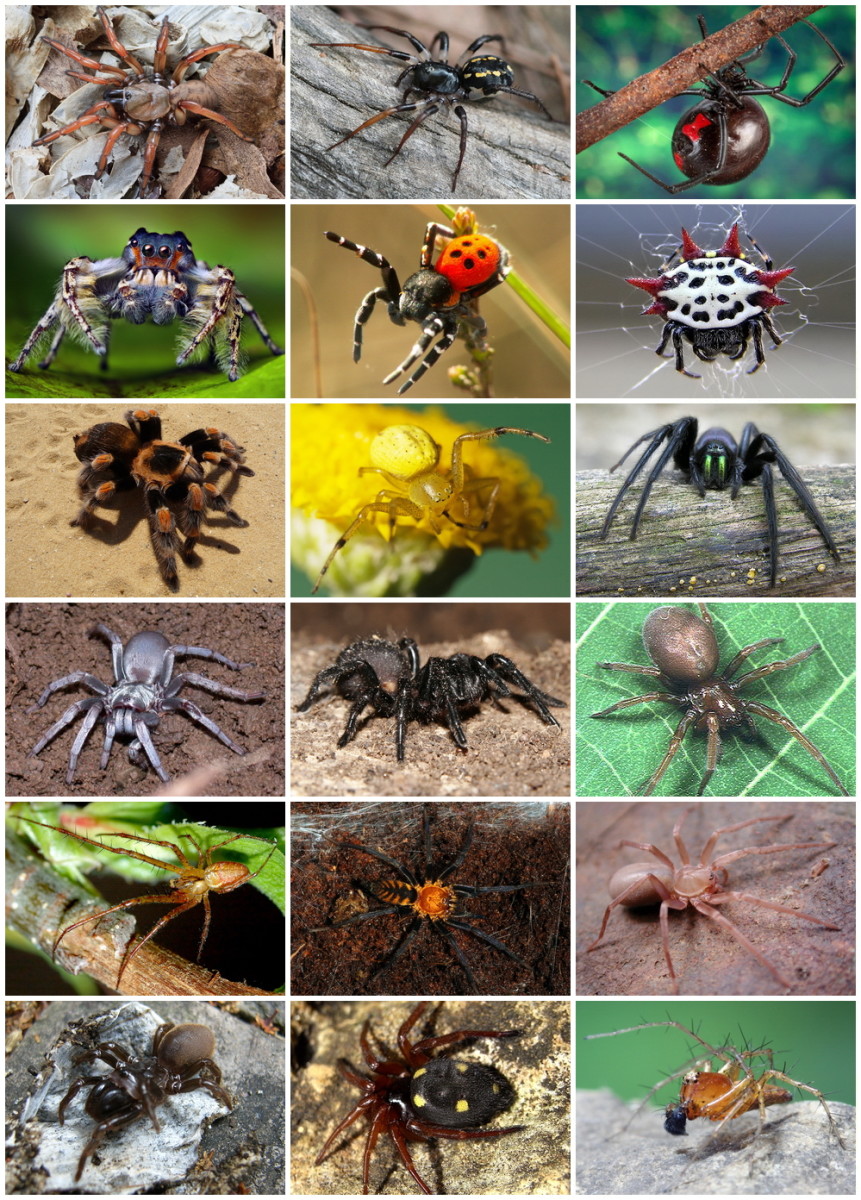
There are very many spiders in the world today not counting extinct species, the different kinds of spider number well over thirty nine thousands (39,000) and still counting because some are yet to be discovered. Spiders generally fall into two categorizes those that have venomous toxins and the one without, the spiders that don’t have venom out numbers the venomous ones at a ratio of about seventy five percent 75%.
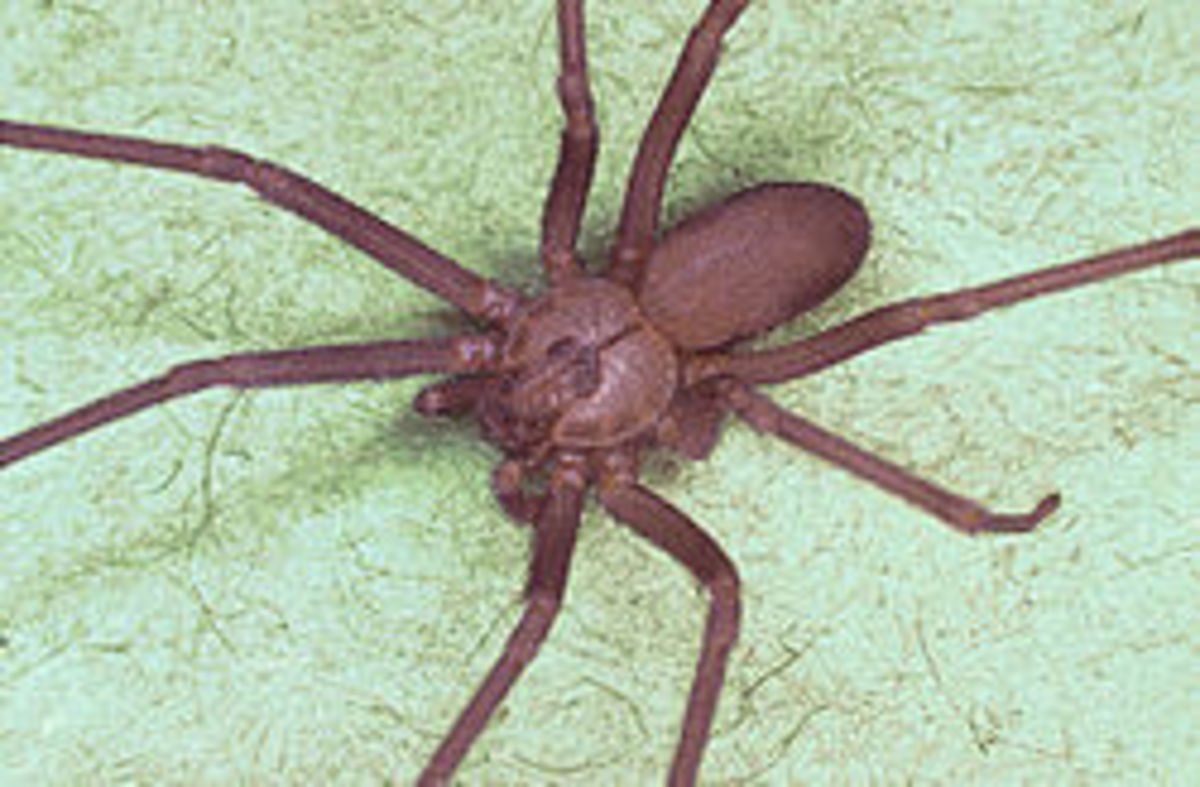
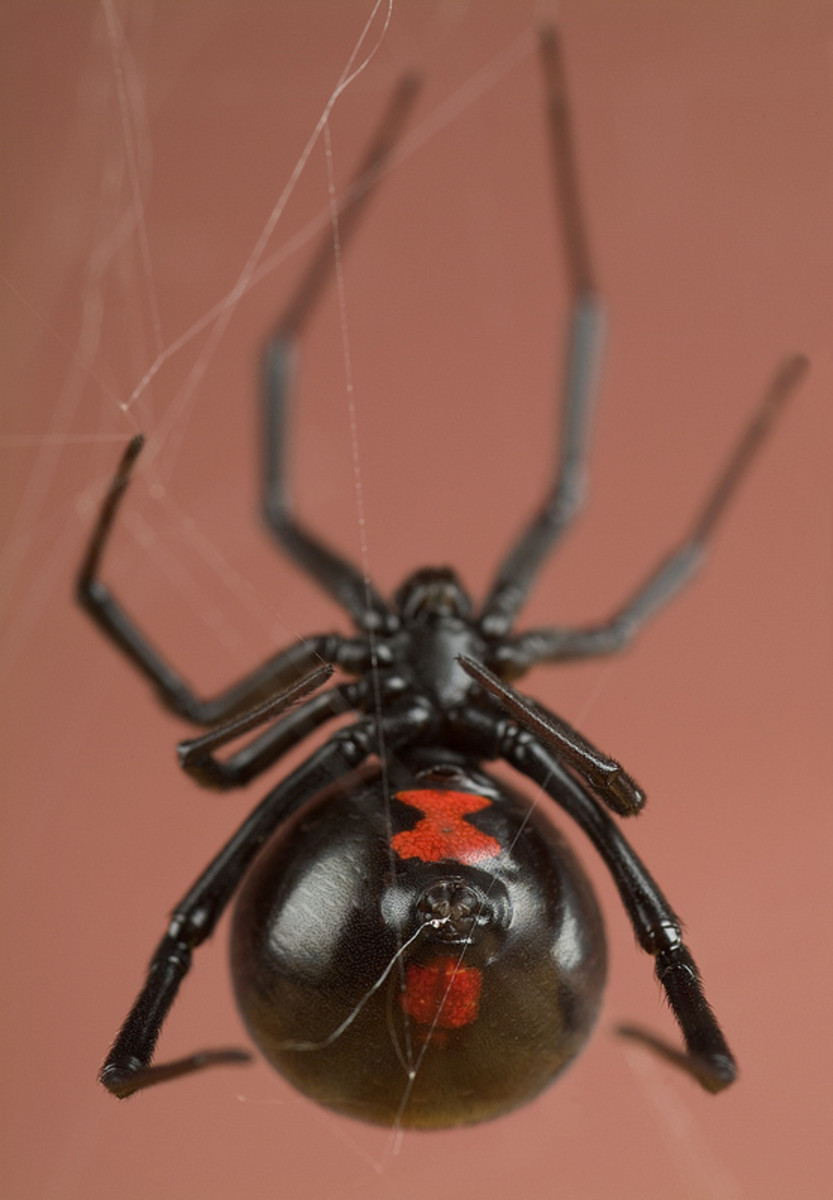
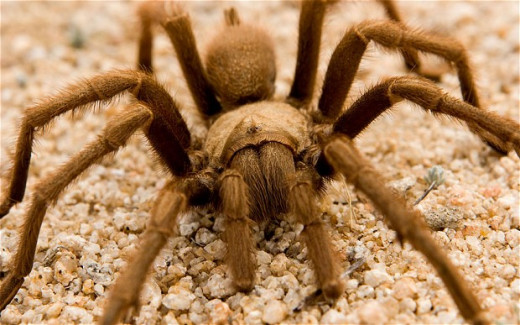
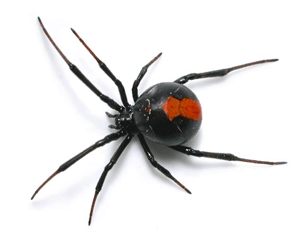
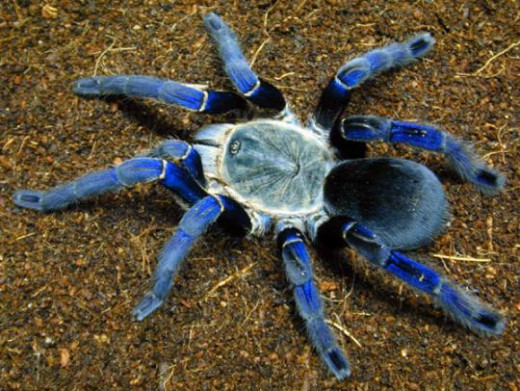
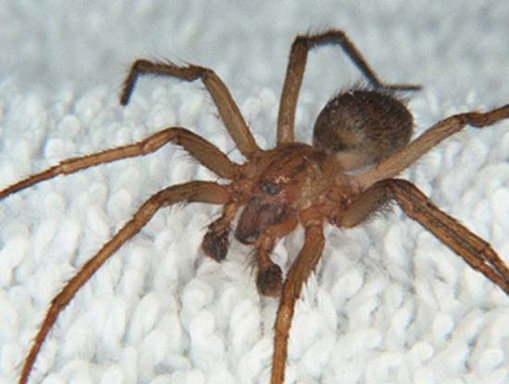
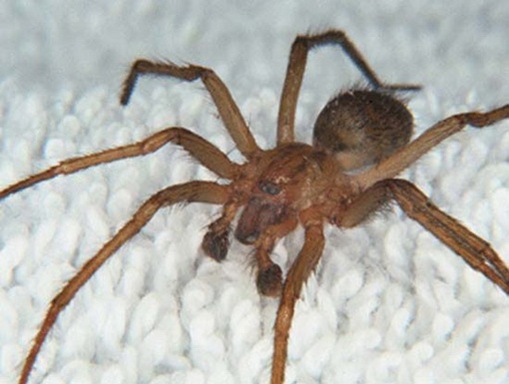
The crawlers are classified under arachnids which include ticks, and mites and the impressive looking scorpion; some venomous spiders include the black widow spider with its distinctive red markings on its abdomen. The Brazilian wandering spider attributed to the most human fatality, the tunnel spider and the tarantula spider.
Interestingly the common cellar spider packs more deadly venom per body mass than any other spider, the toxin it carries can be lethal to man but there is a catch the spiders cannot penetrate the human skin with its tiny pincer weapons so it’s extremely rear to find any fatalities.
Other notable facts about spiders is that while many have compound eyes that are multiple in number some have fewer eyes while some cave dwellers have no eyes at all, the largest spider is the hairy ugly looking giant tarantula. The giant tarantula is as big as a ladies hand and is known to kill small birds, other insects, grubs, fellow spiders, lizards and worms and the spider is said to a delicacy in South America.
The female spider tends to live longer than their male counterparts and one of the alarming trends for some species of spider is during mating the female spider consumes the male spider alive. This adaptation practiced by some species of spider is frightening but has advantageous purpose in that the male’s genes might be passed on to the siblings.
Interestingly not only spiders practice this unusual form of cannibalism,some other insect favor this strange delicacy why not insects are a rich storehouse of protein.
Insects and spiders
There are many interesting insects around the world some have stingers, powerful mandibles and even poison as a means of defense. Many are so strong that they can carry five times their body weight giving them extraordinary power and agility.
Imagine lifting two hundred and ten pounds carrying it three hundred kilometers across rough terrain and then losing the load because you’re walking upside down on the roof and then falling twenty five stories height. For the insect this is just a normal daily routine all it does after the fall is shake off the cobwebs and start all over again.
Some have the extra ability of flight, antennae which works the same way as or television antennae work receiving early warning systems that alert them to danger and food. As if all these superhuman gifts aren’t enough they also have extra legs, amazing speed and some even weave intricate webs that are multifunctional durable and strong.
Everywhere we look we see them under leaves, dark cellars at the corner of our homes and even in abandoned shoe boxes, they are everywhere yet we hardly really see them for what they are intricate master pieces of the insect world.
We see spider webs everywhere some old and abandoned, like the cobwebs which are easily noticed because of their messy nature and ability to attract dust which makes them look unsightly and lose the original design crafted by the spider. Spiders can be found in every continent of the world except Antarctica (why?) don’t know maybe it’s got to do with the extreme climate of the place.
Spiders and webs
Spiders are masters craftsmen experts in the art of web spinning, interestingly not all spiders spin webs, some live in small hoes, caves, cracks, tree trunks, under rocks and others dig their own dwelling place, while some have almost lost the ability to spin webs effectively.
Spiders are eight legged creatures that specialize in the art of spinning webs; this is done through specialized organs which are known as spinnerets. The spider is the predator of the insect world and you can equate its hunting ability to top predators in the animal kingdom such as lions, tigers and killer whales.
To other insects an encounter with a spider could means sure and painful death, they hunt through the aid of spider web which is a fine net of silky threads which are incredible strong and resistant to the prey and the webs have adhesive properties like glue.
The spiders spinnerets at work
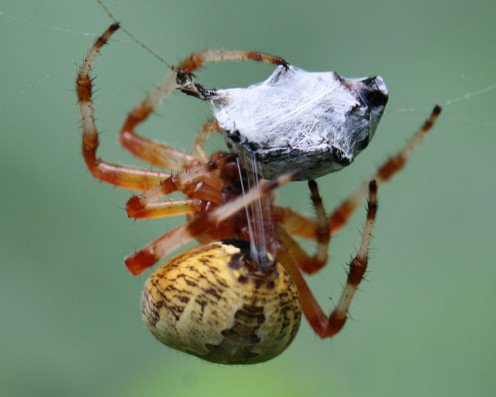
Spinnerets
Spinnerets twist silky substance to produce tough threads which are protein based silk, the silk thread can be spun in a single delicate thread or tangled into several layers depending on the function of the web. The web can be built as an abode, could be built to safeguard its eggs or as a deadly trap to catch prey.
The spider is segmented having the head thorax and abdomen, and the abdominal region of the spider is usually larger than the head and the thorax. On the abdomen you find the specialized extruder at the tip of the abdomen, which it uses to spin the webs.
The spinnerets on certain spiders differ from each other some having two spinnerets while others having four spinnerets; even some don’t have ant use for the organ. Not all spiders spin webs some hunt be tracking down the prey without the need for traps.
Choose which spider you consider the deadliest
Which spider is the deadliest
What are spiders web?
# The spider’s web has adhesive glue
A spider’s web is a highly adhesive silk that consists of a myriad of glue components which are deposited on the delicate silk threads, the glue is meant to trap moving prey or stick to the prey immobilizing it. Usually the prey consists of insets like moths, butterflies, ants, cockroaches, other spiders, bugs, grubs, worms, beetles, caterpillars and mosquitoes.
# The web can change form
The elastic nature of the spiders web gives it a constantly changing form that makes it very efficient and dynamic, the basic shape and structure remains but on contact with intruders or prey it binds them with the sticky glue and prevents escape.
# The web has a spring element
The web is very elastic and can bend without breaking except when extreme forces higher that that excreted by its natural prey, the web is also super sensitive to contact and tends to spring on contact making it a very effective weapon
Some deadly spiders
Click thumbnail to view full-size


Attributes of the spiders web
The spider’s web has many functions some of which are listed bellow
1 the spiders web is made out of very fin silk thread
2 the silk threads contain adhesive properties such as glue to trap prey
3 the web can be spun into a fishing net and manipulated by the spider
4 the major function of the net is to catch and trap prey
5 the spiders web is also used for defense
6 the web is a powerful weapon the spider uses for protection
7 They use the web to move between trees, leafs and crevasse.
8 Can be used to safe guard the young spiders?
What are the functions of the spider web?
The silk web carries out different functions making it a very versatile tool in the hands of the spider, they can use the silk to catch prey, and it can be used as a means of defense against intruders and for protection. Other uses of the web is to trap, and hunt, or as a means of incubating its eggs, the web is also an early warning system , a way of getting around and home to some spiders
The weather
The environment and topography of the area greatly influence the way spiders webs are built, there are many external forces that influence choice of location and web spinning. Some external influences on the spider’s web include gravity, water (rain), wind, and the function of the spider’s web.
Gravity
Spiders have a difficult time coordinating their spinning in zero gravity, this was noticed in orbit in an experiment originated from a student’s project and carried out by an astronaut, the higher they are the lower their web spinning ability.
Wind
Wind can have an effect on the durability of the spiders web, but the apparent flexibility of the silk allows the web withstand considerable drafts while retaining its original structure. Other influences like water could influence the spider on the positioning of the web.
The worlds strongest spiders web
Some interesting spiders
Features
| Deadly spider
| |
|---|---|---|
Distinctive red mark on abdomen
| Black widow spider
| |
Large and hairy
| tarantula
| |
Very Long legs
| Brazilian wandering spider
| |
Very small
| Celler spider
| |
brown/black
| Funnel spider
|
The uses of a Spider webs
Spider’s webs are silk treads used for snaring prey, hunting, and incubating its eggs, they can also be used as a defense mechanism and for protection. The nest is versatile and can be spun into different layers and dimensions. The spider usually identify flight pathways of intended prey and sets up the trap along this bountiful region, the net can be spun so thin that the insects do not detect its presence before its to later.
Hunt prey
Most times when the prey is caught the spider is alerted by the thin threads that the trap has snared a prey, it quickly emerges and spins thread around the prey totally encasing it in a cell of silk. The insect might not dye quickly and the spider might return to its prize to feed regularly.
They feed by liquefying the internal organs of the prey and drink the protein rich content like syrup. By wrapping the insect in sticky silk it can store them for several days. Some spider prefer the direct approach they make a square net which it holds and uses in a way similar to casting a fishing net, when an insect is in its sight and near enough it traps it with the net with quick reflexes and great accuracy catching it manually.
Defense
Spider is tough predators and they do battle with many grubs, worms and insects, they can use the nets as a defense mechanism during these confrontations or used to subdue prey. The glue properties make the web a very effective defense weapon.
Spiders web images
Click thumbnail to view full-size


The Brazilian wandering spider
About spiders
- Spiders: Why they should be extinct
I'm sure most people have asked this question before. "Why would God create spiders? Who needs 'em anyway?" I most certaintly am asking that question right now, after coming face to face with a spider scuttling across my pillow. I've heard a couple.. - SPIDERS - Web Building
Perhaps the most well-known feature of spiders is their ability to build webs. This has been developed into an art form by the orb-weavers. Webs are not always built vertically but also horizontally and ever angle in between, sometimes in several...
Protection
Spiders can use their webs to protect and incubate the young, they all have different ways to achieve this, and they can also protect themselves by spinning a web to hide from other predators. The net is a powerful defense mechanism if the spider is threatened by bigger predators.
Web designs
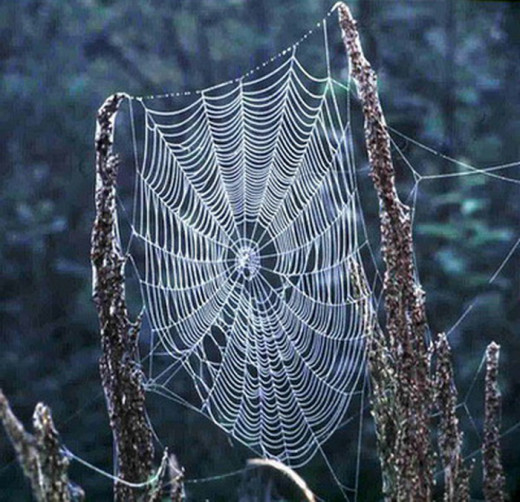
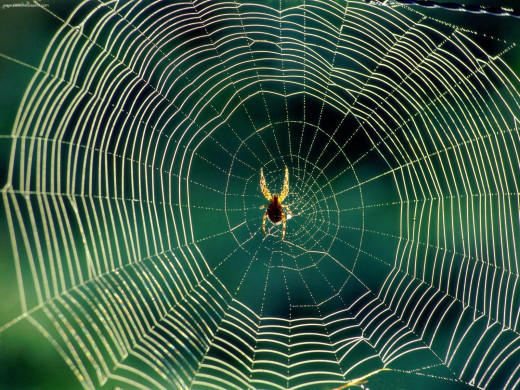
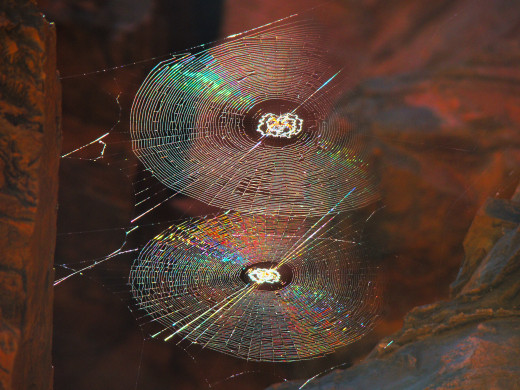
No two spider webs are the same and the spider creates many concentric patterns squares, rectangles and interwoven shapes that might be so delicate the prey might not see it. It is possible to know and differentiate which species of spider make which type of net.
Arachnophobia is an extreme fear of spiders and many people loath the strange looking creature, spiders generally are shy reclusive and un- confrontational unless trapped or cornered.
Spiders have been with us for thousands of years, their adaptability and ingenuity is why the spider has been so successful, they are top predators and their nets are the arachnid biggest asset. Most human fatality is caused by wandering male spiders looking for a mate and the possibility of being bitten by one is very slim.
Related
Wolf Spiders & Dock Spiders or Fishing Spiders; A Comparison--Plus My Meeting With a Giant Wolf Spider!
Cape Verde, Poisonous Spiders, Snakes, Insects, Bugs and Dangers on the Islands and in the Sea
Fun Halloween Office Pranks (That Won't Get You Fired)
Real Spooky Orb Weaver Pumpkin Spiders
Peru: Poisonous Spiders, Venomous Snakes, Bugs, Dangerous Animals, Insects, and Lethal Diseases