- HubPages»
- Health»
- Alternative & Natural Medicine»
- Herbal Remedies
Myth: Use Vitamin C to Fight the Common Cold

Vitamin C
Many people recommend increasing your intake of Vitamin C every time the temperatures drop in the snowy, winter months. They claim it boosts your immune system, though no evidence of this has been found. Yes, it has been shown to help symptoms of the common cold less severe, but that could just be from the fact that Vitamin C is a repairer.
Vitamin C's main function is to maintain and repair all connective tissues, bones, blood vessels, and skin. So in actuality it does less for boosting the immune system and more of repairing any damage done by illnesses. Which would explain why it helps make the symptoms of an illness more bearable. To find out more about the benefits of Vitamin C read these articles about How Vitamin C Works in the Body and Avoiding Supplements: Find Vitamin C Naturally. So if Vitamin C isn't as effective as everyone says, then how do we effectively fight against viruses?
Using Vitamin D
Rhinoviruses, like the common cold, thrive in cooler temperatures. So as you breathe in the chilled winter air you're creating the perfect breading grounds. That's why normally your sinuses are affected more than the warmer environment of the lungs.
You may be thinking, isn't that what our immune system is for, to protect us from harmful illnesses? And you'd be right! But, your immune system is suppressed during these times. When it is cold, your body has a harder time emitting the antiviral immune signals it needs to. In other words, everything slows down.
Let's take a look at how the immune system works. The T-Cells found in our body are the part of the immune system that actually seeks out and destroys all of the foreign pathogens that make it into our bodies. These cells are activated by Vitamin D, which our bodies make using sunlight. So Vitamin D is essential for our immune system to work correctly. Without it our T-Cells stay dormant and the pathogens are able to have free reign throughout our bodies with nothing to stop them.
When it gets cold outside and people start to hole up in their warm homes, they start depriving themselves of sunlight, the maker of Vitamin D. Or the clouds move in and obscure the suns UV rays (You can read more about How Vitamin D Works in the Body and how it is made). Even during the sunny months, people tent to lather their bodies in sunscreen. Doing this does protect your skin but it also inhibits the production of Vitamin D.
Luckily Vitamin D is a fat soluble vitamin so it can be stored in your liver to be used specifically for these times. You can have anywhere from one to four months worth of Vitamin D stored to be used when your body is being deprived. But since your body is running slower in the cold you should be supplementing these vitamins in your diet instead of trying to rely completely upon these stored D Vitamins and limited sunlight. I'm not talking about taking a manufactured pill though, but actual meats and wild edible plants! These prove to be more effective and easily absorbed by the body than an over the counter supplement. I've compiled a list of foods and herbs you can add into your diet to help boost the amount Vitamin D available to your body and to keep you feeling healthy all winter long.
Recommended Amounts of Vitamin D
Age
| Male
| Female
| Pregnancy
| Lactation
|
|---|---|---|---|---|
0-12 months
| 400 IU
| 400 IU
| ||
1-13 years
| 600 IU
| 600 IU
| ||
14-18 years
| 600 IU
| 600 IU
| 600 IU
| 600 IU
|
19-50 years
| 600 IU
| 600 IU
| 600 IU
| 600 IU
|
51-70 years
| 600 IU
| 600 IU
| ||
>70 years
| 800 IU
| 800 IU
|
The FNB established these RDAs (Recommended Dietary Allowances) for Vitamin D. This chart is based on supplementing for minimal sunlight exposure.
IU = International Units

1. Sunlight (Vitamin D)
Although this isn't edible, sunlight is the number one healthiest and easiest way for your body to acquire Vitamin D. The sunlight actually converts the cholesterol found in your skin into Vitamin D. The FNB states that cloud cover reduces the amount of sun rays by 50% and shade by 60%. UV rays also cannot penetrate through glass, so during the winter when you are trying to stay warm indoors, opening your blinds does not benefit you in producing Vitamin D. So take advantage of the rare warmer sunny days and make a trip outside so your skin can be exposed. Most sunscreens that have SPF block enough UV rays making it so Vitamin D cannot be produced. Although, do take into account, that most people don't reapply their sunscreen after the first application so if you are outdoors long enough your skin will be able to synthesize some Vitamin D.
Studies have shown that as long as you have at least 5-30 minutes of sun exposure, without sunscreen, during mid day (10am-3pm) a couple times a week your body should be able to create adequate amounts of Vitamin D. So it is reasonable that these conditions may be available even during the winter months.
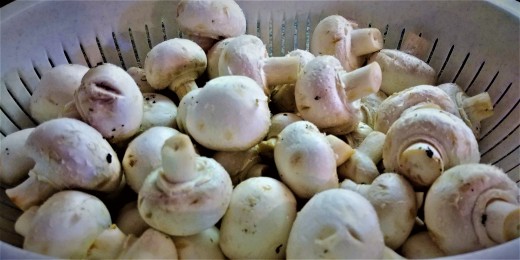
3. Wild Edible Plants (Vitamin D2 Ergocalciferol)
Vitamin D is more commonly found in animals, especially fish. But you can find small amounts in wild edible plants that can be harvested for free! Such as:
- Dandelions
- Chanterelle Mushrooms
- Puffball Mushrooms
- Maitake Mushrooms
- Morel Mushrooms
- Pine Pollen
Mushrooms are the most rich wild edible plant when foraging for Vitamin D.
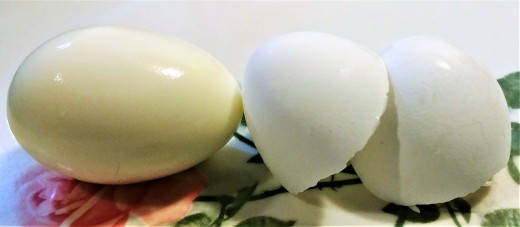
2. Animals (Vitamin D3 Cholecalciferol)
Food
| Serving Size
| IU
| DV
|
|---|---|---|---|
Cod Liver Oil
| 1 tbsp.
| 1,360
| 340%
|
Sardines
| 2 sardines
| 46
| 12%
|
Salmon
| 3 oz.
| 447
| 112%
|
Mackerel
| 3 oz.
| 400
| 100%
|
Tuna
| 3 oz.
| 154
| 39%
|
Milk, whole, fortified
| 1 c.
| 115-124
| 19-31%
|
Caviar
| 1 oz.
| 33
| 8%
|
Eggs
| 1 large yolk
| 41
| 10%
|
Mushrooms
| 1 c.
| 2
| 1%
|
Swordfish
| 3 oz.
| 566
| 142%
|
Fortified Orange Juice
| 1 c.
| 137
| 34%
|
Beef Liver
| 3 oz.
| 42
| 11
|
Swiss Cheese
| 1 oz.
| 6
| 2%
|
Warning: These foods that are high in Vitamin D aren't used to replace sunlight. They are just to support what your body already naturally makes. It is recommended to receive as much sunlight as possible, even when supplementing Vitamin D in your die
IU = International Units
DV = Daily Value
Disclaimer
Just remember that these supplements aren't to replace exposure to UV rays. Being exposed to sunlight is the number one healthiest way to obtain the Vitamin D that your body needs.
The contents of this article are for educational purposes only. Before ingesting ANY herb or plant from the wild, please ensure you correctly identify it or consult a professional wild plant harvester for advice. Also consult your physician if taking any medications before changing your diet.
Sources
FNB for informational charts.
Related
Vitamin D, Human Immunity and Chest Infections
Best High Vitamin D Foods to Boost Low Vitamin D Levels
Conjugated Linoleic Acid (CLA) Research: The Past, the Present, and the Future
Do I Have A Cold Sore? Symptoms, Causes and Naural Remedies for Cold Sores (Mouth Ulcers)

How to Prevent a Cold and Flu Symptoms All Year Round