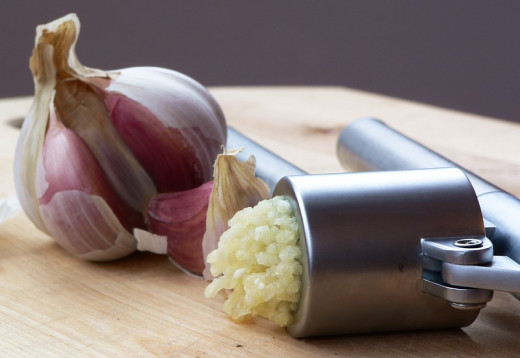
Garlic, The Original Wonder Drug

The Perfectly Legal Performance Enhancing Substance
In our time, global pharmaceutical companies, often reaping unfathomable profits, have mass-produced synthetic chemical concoctions of various kinds which in some cases have side effects more frightening side than the original maladies they were designed to combat.
Listening to the ultra-fast disclaimers in any drug commercial, or reading their fine print, would certainly shock a public not used to synthetic medicine. But several generations have now grown up in an environment of chemical engineering, whether of atoms or of human bodies, and few question the efficiency or wisdom of modern medicine.
However, a plant known in ancient times, allium sativum, the common garlic plant, produces natural effects that many expensive man-made pharmaceuticals, with frequently serious side effects, can only feebly imitate.
It is probable that a diet rich in garlic, consumed regularly from a young age throughout life, would reduce or prevent many of the most common diseases which afflict modern societies.
Ancient History of Garlic Use
The beneficial medicinal and physiological effects of garlic were noticed in ancient times. Seven thousand years ago the plant was already a staple in the diets of Mediterranean peoples, and it became popular in China and India four thousand years ago.
To the laborers who miraculously hoisted the Pyramids of Giza into place it was a seasoning more readily available than salt. Construction of the Great Wall of China was aided by heavily garlic-laden soup eaten by the builders to replenish their energy.
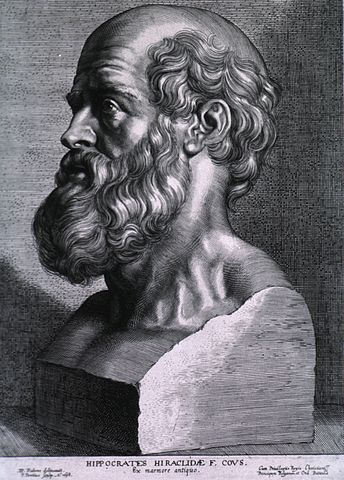
The Olympian athletes of ancient Greece used it as a legal performance-enhancing drug. Hippocrates, the founder of civilized medicine, was a proponent of its use to cure fatigue, eliminate parasites, asthma and indigestion. Pliny the Elder, a Roman philosopher and military commander, describes its use during war campaigns among both Greek and Roman soldiers, often to treat or prevent gangrene, dysentery and pneumonia.
In medieval Europe garlic was distributed widely by aristocrats to their serfs in order to protect against heatstroke and the harmful effects of solar radiation as they worked in the fields.
During World War 1 crushed garlic was found to be an effective antiseptic when rubbed on open wounds, and in the era before antibiotics were developed it helped control some of the symptoms of tuberculosis.
The Damaging Stigma
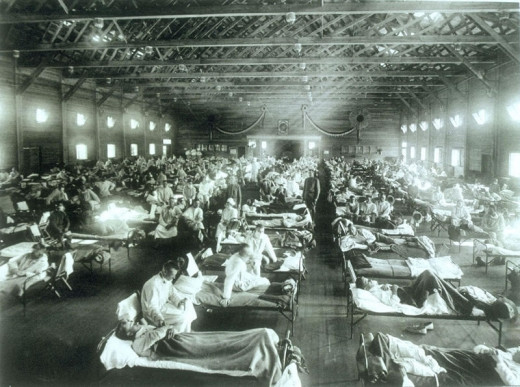
Garlic grew out of fashion during the Victorian era and early 20th century because societies were then obsessed with propriety and cleanliness, and the smell of garlic on the breath became a social stigma. Perhaps in direct consequence, the Black Death of the Spanish Influenza, which resulted in tens of millions of fatalities during and after World War 1, spread widely and uncontrollably throughout the world among a generation of people who had had little familiarity with and exposure to garlic.
Even as recently as World War 2, the American General Douglas MacArthur, in an effort to alleviate the suffering of as many men as possible during the Battle of Bataan in the Philippines, tried to emulate the ancient Chinese and Egyptians and to obtain a large garlic supply to combat malnutrition and disease.
But he was unsuccessful and many soldiers who might have otherwise survived in the blistering heat, starvation and disease of the tropics met their miserable ends.

Modern Studies
Contemporary research into the origins of the beneficial effects of garlic has not entirely unlocked its secrets. However, it is now known that the sulfurous chemicals in garlic which enter the digestive tract during mastication are responsible for many of its healthful qualities.
In particular, the substance called allicin, the pungent compound which gives garlic its distinctive smell, has many antibacterial and anti-inflammatory uses.
Various studies have shown that an infusion of garlic into the diet boosts the immune system and reduces the effects of colds and influenza. Because it also counteracts hypertension, garlic is effective at treating high blood pressure and controlling many of the contributing factors of heart disease and strokes.
Garlic has been found as well to fight the buildup of harmful cholesterol in the body and to contribute to the production of antioxidant enzymes. It has long been known to reduce aging and memory loss and to prolong natural cycles of fertility.
More Friends or Fewer Enemies?
The question might be asked why garlic is not more prominent in modern diets today, given the clear anecdotal and scientific evidence, dating back literally thousands of years, that it is as vital to the human system as any other edible product in nature.
For the answer, perhaps, we must go back to the Victorians, who, hailing from northern Europe where garlic had never been a traditional part of cuisine, associated the smell of garlic on the breath with lower classes, lack of breeding and intellectual and social inferiority.
It is no exaggeration to say that this prejudice, which still exists today, may be the most damaging of any that ever existed in health science.
While it is true that this stigma has been of immense value to the pharmaceutical and biochemical industries, which have some of the highest profit margins in the business world, the secrecy of the curative and magical properties of garlic has resulted in untold widespread suffering and disease.
The old cliché (originating far from the major garlic-producing regions of the world) that “An apple a day keeps the doctor away” has led to a parody: “A garlic a day keeps all your friends away.”
The truth is that the much-maligned garlic keeps death, disease, pain and weakness away.
© 2015 James Crawford
Related
Aloe Vera Health Benefits
How to Get Rid of Phlegm With Raw Garlic

Pharmacological Effects, Prodrugs (Definition, Examples) and Sources of Drug Information

A Historical Microbiology Lesson: Pathogens and Infectious Diseases of Medieval Times in Europe
Skin Problems (Acne, Eczema) And Herbal Medication