Vaccines Against Cancer: Yes, They Already Exist

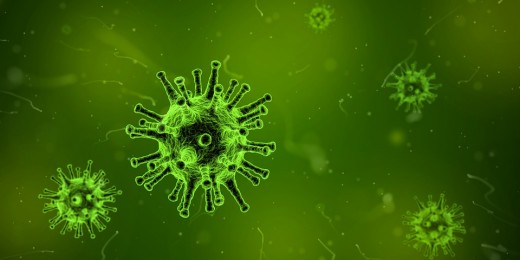
Today, most Americans think cancer is caused by proximity to chemicals and other substances that cause genetic changes such as DNA mutation and breaks that lead to overactive cell growth. This is great, and mostly true. Cancer is an umbrella term for a number of diseases that each have their own unique cause, treatment and outcome. Skin cancer and lung cancer, for example, are two cancers that prove exposure to harmful chemicals can lead to disease manifestation. Some cancers, however, are driven by more insidious players--viruses. In recent years the role of the immune system in fighting cancer onset, but also in aiding cancer spread, has expanded. In this article, I will highlight some cancers that are caused by viruses and explain the the vaccines created to combat them. Importantly, I hope to convince you that the United States should implement a requirement that these vaccines be added to the standard of care for all young people, especially teenagers who are at high-risk to develop cancer later in life if they opt out.
1. Cervical Cancer
Cervical cancer used to be one of the leading causes of death for women in the United States. Thankfully, with the implementation of a screening process (the pap smear) this number has dramatically decreased. It has not been completely eliminated yet, however. Cervical cancer is caused by infection with human papilloma virus (HPV). Only about 1 in every 10 woman who becomes infected will develop the disease, however. HPV is thought to be endemic in the western world. Millions of sexually active adults become infected every year. It is estimated that nearly 80 million Americans are currently infected. With such high prevalence, it has been a goal of the NIH for decades to combat the disease with the advent of a vaccine--if women are never infected, they won't get cervical cancer.
HPV is a large family of viruses. There are 2 main types 16 & 18 that are known to induce cervical cancer. Fortunately, the earliest vaccine, Gardasil, protects against these insidious types. More recent forms of the vaccine protect against 9 HPV types, including ones that cause genital warts.
It is currently recommended that females aged 11-12 should take the vaccine. Doctors want to make sure children are protected before they become sexually active so they have complete protection from contracting the virus. The vaccine is administered once every three months for 9 months.
Because cervical cancer takes years to develop, it is still premature to say the vaccines are directly lowering cervical cancer incidence; however, Australia did a nation-wide vaccine implementation program for young girls and measured rates of cervical cancer later when the children were older and presumably more likely to be sexually active and numbers of HPV infections were greatly diminished.
2. Esophageal Cancer
HPV is not only a problematic virus for women, but emerging evidence suggests it is harmful to men as well. Over 10% of men are thought to be infected with oral HPV. HPV can be contracted orally from male-to-female (or female-to-female) oral sex. It is still being investigated whether this is sufficient to cause throat cancer, but up to 1/3 of cases of throat cancer are accompanied by an HPV-infection.
Incidence of esophageal cancer continues to rise despite lower numbers of smokers. This may in part be attributed to the rise in oral HPVs as trends indicate oral sex performed on a female is rising in trends. Before the link of HPV to throat cancer, only women were recommended to receive HPV vaccines, despite men being carriers. Today, boys of pre-sexually active age are recommended to receive the Gardasil vaccines.
There is less data overall for the benefits in men because a large study has yet to be done where vaccine implementation includes them. Hopefully with both girls and boys vaccinated, oral cancer can be eliminated too.
3. Liver Cancer
Fortunately, Hepatitis B vaccination programs have been already largely implemented with babies and children being fully vaccinated at a young age. For adults who were not, however, Hepatitis B vaccines should be taken.
Hepatitis B is thought to be spread through fluids like blood and saliva. Sharing needles or having sex with an infected individual are common mechanisms of infection. Some people who become infected continue to harbor the disease in their livers for the rest of their lives. Eventually, persistent disease can cause liver cancer.
In case you don't already know, your liver is an essential organ in your body. It breaks down all the junk in your body so that it can be functional or released. Liver transplants are very effective. Living donors can choose to donate a part of their liver as it is capable of growing back. However, despite this, liver cancer is easily spread. Once a cancer becomes metastatic, resection is not sufficient for treatment. It's better to prevent the disease than to rely on treatment.
Related

Importance of Vaccines: Puppies and Dogs

Maurice Ralph Hilleman: One of the Most Influential Vaccine Developers of All Time
What vaccines does my pharmacist offer?

Key Information About Cervical Cancer

BBC: Fauci-Funded Drug Experiments 'Tortured', Killed Hundreds of US Children, Most Black, RFK Jr. Charges "Atrocity"