Long Term Care and the Class Act


By Joni Douglas
Long-term care is something that most of us don’t want to think about yet we all should. Most insurance companies offer long term care insurance but they are different and separate from their health insurance policies and not included in life insurance plans. Most people don’t realize the costs involved in long-term care until faced with the need either for themselves or for a family member.

The cost of long term care can vary from state to state and from need to need. The cost of nursing home care is much more costly than assisted living. These costs are unexpectedly huge and are very often overwhelming. Average costs for nursing home care, differ from state to state, and can range from just over $40,000 to over $100,000 per year. Average fees for your state can be calculated here – calculator.


Hidden within the Health Care Bill that Congress recently passed is the Community Living Assistance Services and Supports Act (CLASS ACT). This bill was first sponsored by Sen. Ted Kennedy, but did not have enough support, even by fellow Democrats, to make it to the Senate floor for a vote. Two days before the Senate voted on the health care, this Class Act provision was slipped into the bill where it did not need a full majority to pass. This addition to the bill is one of the most under-reported aspects of the health care bill.
Although the public option was removed from the main portion of the bill, language in the bill supports future applications and most certainly, the subject will be visited again. However, the Class Act is a public option provision. At this point, the Class Act is a voluntary federal insurance program that will help pay the costs of long term care in direct competition with existing insurance companies offering long-term care insurance. This program is not affiliated with the federal employee long-term care insurance, which is for federal employees, the military and their families.
As with all long-term care insurance policies, there are certain eligibility requirements to the plan. One must have paid premiums into the plan for 5 years before becoming eligible to receive any benefits. Another is that recipients would need help with at least 2 of the listed activities; meaning they were unable to accomplish the normal activities on their own, such as dressing or bathing similar to those set by insurance companies and Medicaid.
Specific dollar amounts for the monthly premiums are as yet undetermined and will be dependent upon the age and some health factors of the recipient. Pay-outs, for Americans who sign up and have met all of the requirements, are still in the process of being worked out, but the amount will most likely be a modest amount, perhaps around $75 a day, which is only about ½ of the actual cost of a nursing home care. As the bill reads right now, the recipient will get that amount in cash to help pay for the necessary care or treatment.


Opponents of the Class Act are quick to point out flaws in the provision. Like so many other well intended government programs, funding language is vague. The Congressional Budget Office (CBO) only considered the fiscal impact of this program for the first 10 years. During the first five years of this program, there will be no payouts, which will skew the total overall impact once the program is fully activated. So the total cost of the Class Act provision within the HealthCare Bill is under reported by a very large margin. Another aspect of the cost of this provision is the fact that this program is more likely to be used by those with greater health problems, which means it poses a higher risk of failure, since the risk for insurance is lessened by the ratio of healthy people to unhealthy in any risk pool. The long-term effect of this will be dramatically increased premiums down the road.
Proponents of the Class Act highlight the desperate need of Americans who require assistance. In fact, some would like to see the class act as mandatory for all Americans. The goal of this provision is to lower the role of Medicaid. Medicare helps offset the initial cost of short term nursing care, but does not cover the cost of long-term care. So when Americans are faced with the need for long-term nursing care without private insurance, they many times have to rely on Medicaid, which will force them to use every available resource at their disposal before Medicaid benefits will be considered. Which means Medicaid will only kick in only after personal assets are depleted, which could leave a remaining spouse destitute. Medicaid spends one third of its entire budget on paying for long-term care for seniors, over $100 billion a year.
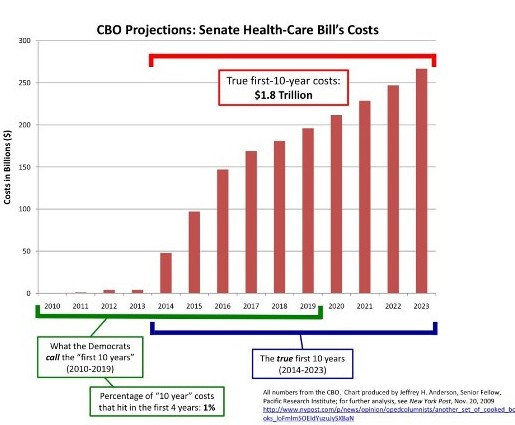

The most import in detail left out all the Class Act provision is the protection of the premium payments. Some have reported that the funding for this provision is a pure Ponzi scheme because the premium payments collected are not put into a trust fund where they are protected for payment of future benefits. Instead, these premiums will go into a general health care fund where they may be allocated to pay for other health care initiatives, leaving the Class Act unaffordable and unfunded. Authors of the provision did include language in the bill, stating that the revenue collected should be dedicated to the Class Act program, but does not restrict Congress from spending it on other health care programs.
More information on long-term care please visit: