Why a Country Without Political Parties Is Not a Republic

Political parties play a central role in furthering Democracy and entrenching constitutuionalism
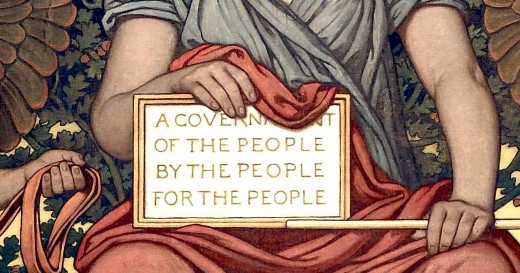
As of 2017, 159 of the world’s 209 sovereign states use Republic as part of their official name, begging the question, why do they use it to define themselves. Does the term, “Republic” denotes a semblance of Independence, political ideology, way of life or political structures that exist within? Does it foster patriotism or nationalism to the extent of protecting the establishment holding collective will or responsibility of its citizens? Is there a universal threshold a country meets to call itself a Republic? Well, to answer these questions we start with the definition of the word Republic.
What’s a Republic?
A republic, in Latin (res publica) is a form of Government where a country is governed by a president and politicians elected by the people and not a private property of rulers. Primary position of power are not hereditary but are attained through elections expressing the consent of the governed, thus such positions are expected to fairly represent the citizen body. From the definition we can adduce the following; the Government is in the hands of the people, positions of power are attained through elections, elections are consent of the governed, and those elected represent the will of the governed in Government.
Hence guiding us in coming up with a sort of litmus test to show if a country meets the minimum threshold in becoming a Republic. But countries may differ on their versions of what a Republic means, and the requirements to become one. But one thing stands out is that elections plays a central role in a Republic, as leaders must be elected to represent the will of the citizens in the Government.
For citizens to participate in the electoral process they must have different options available of persons wishing to represent them, who must possess qualities, characters and ideologies resonating with them. Hence citizens & leaders come together and collectivize their shared ideologies, principles & interests to form political groupings with defined structures in contesting elections and ultimately forming a Government.
Political Parties in Electoral Process

These political groupings or in a better word Political party represents & articulates shared ideologies, principles & interests of people within a state. Members nominate their preferred candidates through them to contest with others in elections with the main aim of forming Government.
For an election to be considered fair, just or free, political parties must participate & freely compete against each other for the ultimate prize of forming a Government representing the ideals & principles forming the basis of a Political party.
Hence, we can safely say that political parties play a central role in forming a Republic through participation in elections. For example in the U.S.A, the Republican Party won the 2016 U.S elections, was mandated to form the Government based on the party ideologies & doctrines, and set the agenda & policies for the country in the next 4 years. This shows how a political party is central in driving the Country’s agenda & policies or how it provides the fodder that fuels a Country agenda & policies.
leaders come together and collectivize their shared ideologies, principles & interests to form political groupings with defined structures in contesting elections and ultimately forming a Government.
One Party States
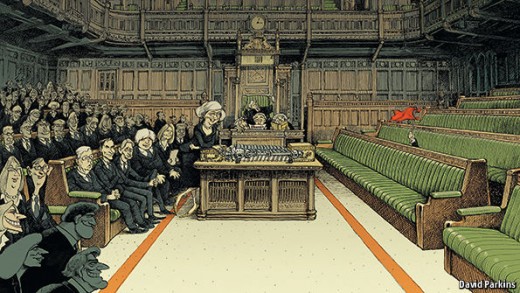
So to be qualified as a Republic, there must be existence of political parties which compete during elections for the right in forming a Government. But in reality throughout history, many states have ignored this fundamental piece, and limit the existence of political parties and yet titling themselves a Republic. They deny their citizens a vehicle (political party) to represent their shared ideologies & principles where they can freely select their preferred candidates in participating & contesting in an election.
What If there’s one political party within a state formed to represent the ideals, interests& policies of all by law and fact; can the country qualify to be called a Republic? Where representatives are appointed, not elected by the top party organs with no input from the people? Can it wholly or partially meet the threshold to be called a Republic, for example People’s Republic of China and its one party system?
To be called a Republic, citizens must freely participate in forming political parties which represent their views, principles & ideologies, to limit or deny their participation in choosing their representatives, with the top party organs holding that exclusive right in appointing representatives on their behalf is defeating the basic tenets of a Republic.
Hence, to be a Republic, states must allow the formation & existence of Political parties, which play a central role in elections, and eventually leads in forming a Governments guided by its party principles & ideologies therefore strengthening the Republic.
© 2018 Van Nchogu
Related
The Normalization of Political Violence: The Roman Republic and the United States

Who are the Citizens United - Exposing Corruption in America's Political System

Cultural Divergence of America and Europe
Constitution Above Political Party

The Romanian 2024 Presidential Elections: Should We Make Romania ‘Great Again?’