13 Green Natural Resources for Bio-based Products and Textiles

Copyright 2012 - Kris Heeter, Ph.D.
Increasing concerns over the environment and the sustainability of many of our natural resources has prompted scientists and companies alike to explore the possibilities of new and different resources for bio-based products and biofuels.
Thirteen interesting natural products or by-products are either now being used or explored as green solutions. Some of these might surprise you!
Exploring bio-based textiles and fiber products
One of the hottest and fastest growing areas in the green revolution is the exploration of new fibers that can be used for making paper, textiles and building products.
Over logging and destruction of rainforests has led to shortages of wood fiber, the leading raw ingredient for paper and building materials.
And while organic cotton has become increasingly popular for making environmentally kind clothing, industrial grown hemp is making a comeback. It was once a very popular textile in the early 20th century and during WWII and is making a comeback.
Cotton requires the use of more land and water over hemp (although some argue that hemp requires more energy to convert into usable textiles and products). Hemp is now being used again in the U.S. for making textiles (like clothing), paper and building materials. It is being utilized more and advertised as a greener alternative to petroleum-based fibers.
Eco friendly fiber for textiles
Here are four notable plants used to create eco friendly fiber for the textile industry:
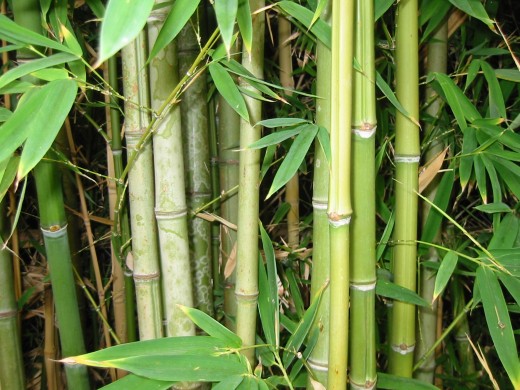
- Bamboo
Bamboo is a readily available and an easily renewing resource. Banana fiber is being used for building materials, paper making, fabric, and clothes.
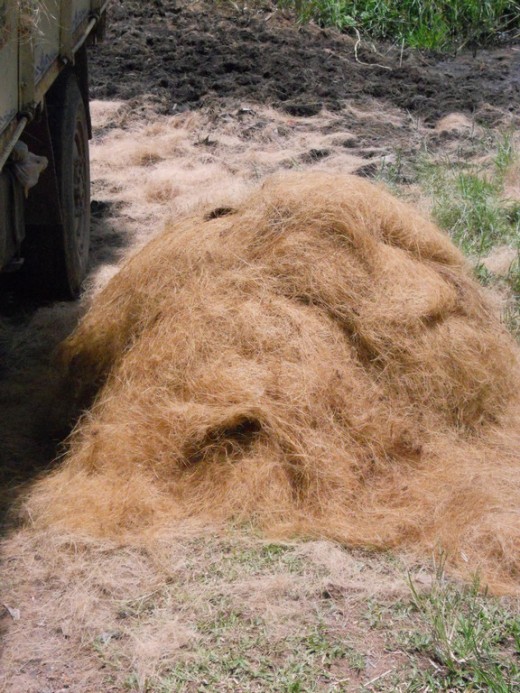
- Coconut
Coconut fiber (a.k.a."coir") is the natural protective husk of the coconut. It is one of the thickest and strongest of all natural fibers being used for industrial and commercial purposes. It is ideal for a number of building material applications.
- Abaca
Abaca is grown in the Philippines and Ecuador and is being used for teabag and other filter papers.
- Flax
Flax fiber has been used to make linen. Flax straw is now being utilized in high-end paper making. In addition, research suggests flax fiber can replace synthetic fibers in disposable products.

Green waste recovery and recycling
Agricultural waste is proving to be a good green source for recycling:
- Corn
The leaves and stalks of corn left over from harvest is one of the largest sources of agricultural waste in the United States. Research indicates that corn fiber is well suited for paper making and patents have been submitted for methods of pulp production from corn plant waste.
- Sugar cane
A fibrous residue results after sugar is squeezed from sugarcane. This residue, called bagasse, is being currently used for making paper.
- Rice and Wheat Straw
Rice straw and wheat straw are two of the largest sources of fibrous agricultural by-product in the world. Both can also be processed in to paper and rice straw is being used in building materials.
- Elephant Dung (Poo)
Elephants are completely vegetarian and their waste product is basically indigestible cellulose. In some parts of the world, the dung is being used now to produce a number of paper products. On average an elephant produces about 500 lbs of dung a day. Several companies and utilizing this natural resource and creating 100% recycled paper poo products.
4 New resources explored and utilized for bio-based products
These "new" sources have been around for awhile and utilized in some green textile companies already but these plants are also being researched for producing new fiber-based products as well.
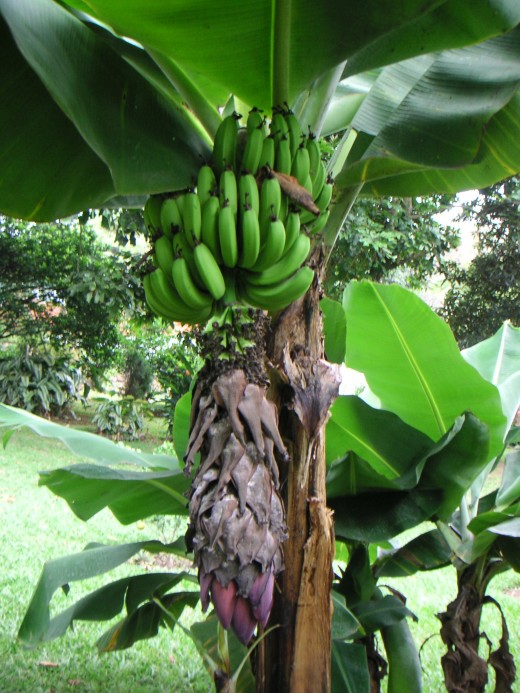
- Banana
Banana fiber is already being used to make yarn and fabric. Some small groups and companies are starting to use it for making paper.
- Palm
Palm fiber is starting to be used for paper making
- Arundo
Arundo is perennial grass. It grows fast and can also be used for making paper.
- Kenaf
Kenaf has a high crop yield and kenaf fiber is similar to that of hemp. It can be used for making paper, building products like insulation and to create sound proofing material.
Other Related Articles of Interest:
Eco green companies
There are many eco green companies emerging across the globe – all with the same goal in mind: preserving our limited natural resources, working towards environmental sustainability, and reducing waste.
One organization assisting companies and farmers to explore many of these new options is Fiber Futures. One of their main goals is to help companies and farmers reduce and rethink the 250 million tons of agriculture residue that the U.S. produces annually. Agricultural residues that are burned add to the pollution problem and increased greenhouse effects. Agricultural waste can be used in new and innovative ways rather than being burned.
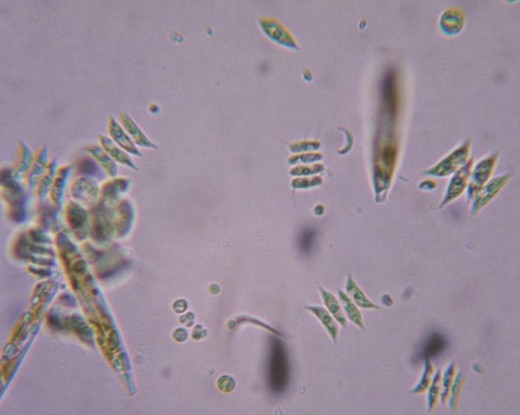
In addition to bio-based textiles and fiber products, companies are exploring a variety of plants as alternative biofuels. As recently reviewed in Wired magazine, everything from grass to algae is being tested by companies an alternative biofuel source.
And finally, service and retail companies are starting up daily, providing green services or green products. There is now a greater demand for cleaner, greener, eco friendly products!
Related
Best Websites to Search for Eco-Friendly Products Online
Fabric Sculpture - Creating Sculptural Forms with Textiles

Making the Right Choice: A Guide to Vegans Everywhere

Small Business Ideas for Moms - 10 Best Home Based Business with Low Start Up Costs
The Fundamental Flaw of Capitalism 2020 and Beyond