Visit The National Air And Space Museum

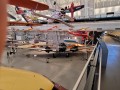
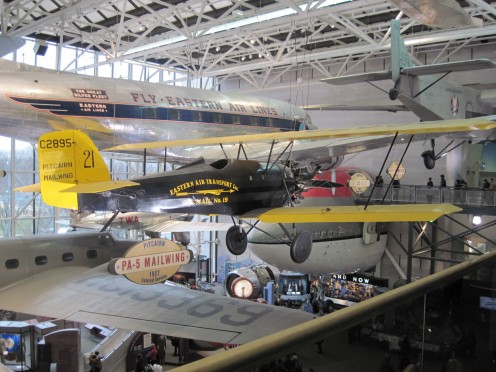
When people are visiting Washington D.C., they can see one of the largest collection of spacecraft and aircraft historical artifacts in the world. It covers an area that is over 161,100 square feet. It's the National Air and Space Museum (NASM) is part of the Smithsonian Institution. The NASM was was started in 1946. The main building for the NASM was opened to the public in 1976. As of 2014, NASM had over 6 million visitors. This makes it the fifth most visited museum in the world.
Building
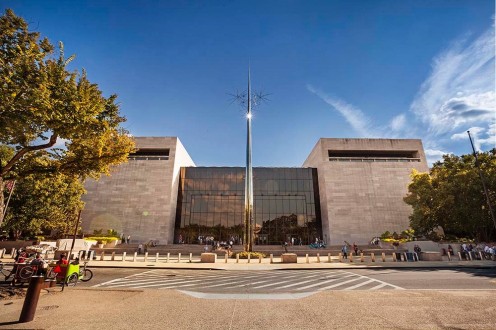
When a building for the NASM was considered, the Smithsonian wanted a structure that would be architecturally stunning. It could not be a building that would stand out when compared to the Capitol building. The structure was designed by an architect known as Gyo Obata. The building was to have four simple cubes that were encased with marble. Located here would be exhibits designed to provide visitors with a theatrical experience. These cubes would be joined together with three large and open atrias made of glass and steel. This is where the NASM would place the big exhibits such as spacecraft, missile, airplanes and more. It would contain the same pink Tennessee marble found in the National Gallery of Art. The structure was constructed by Gilbane Building Company. The construction was finished in 1976. It was built with a huge glass wall on the west portion of the building. This functions as a door. It is where spacecraft, airplanes, and other exhibits are brought into the NASM.
Museum History
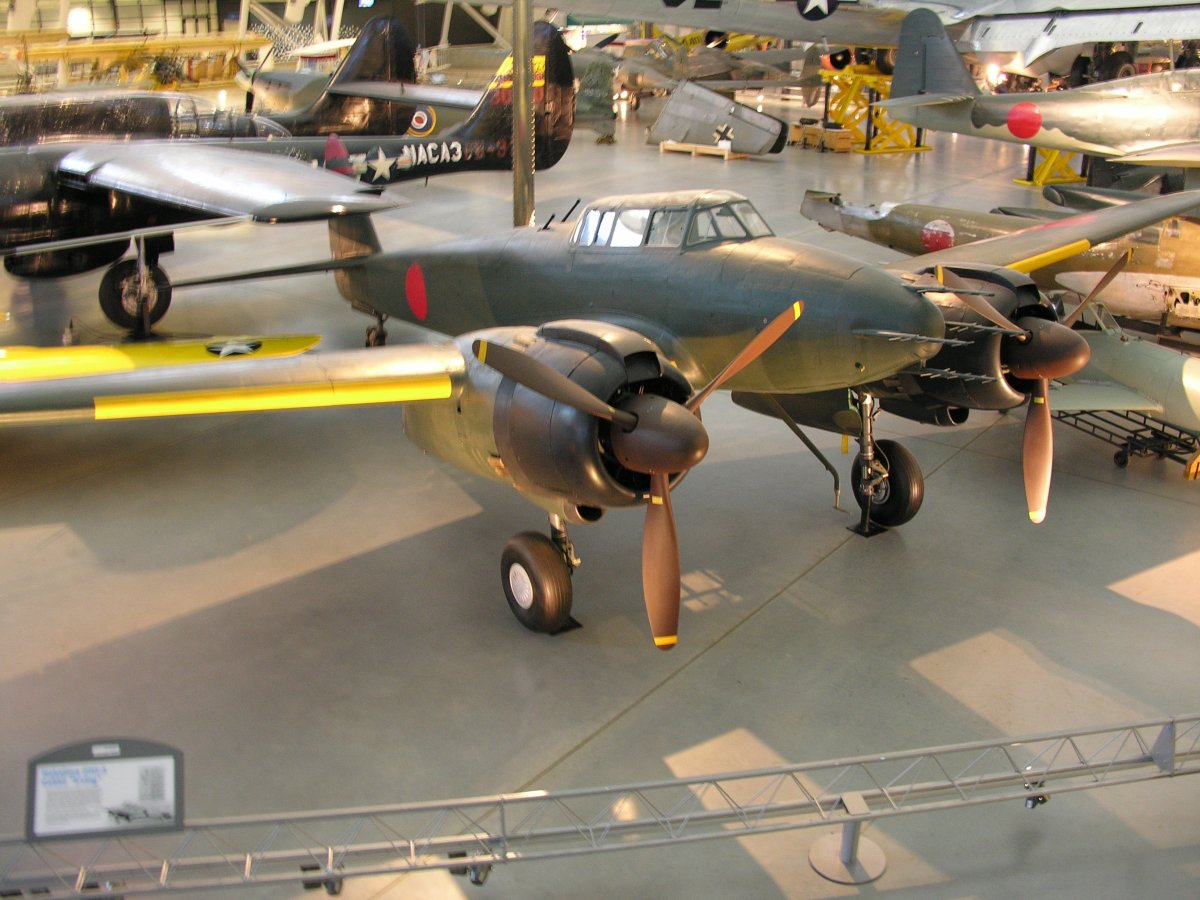
Once the museum was created in 1946, there was no building available that was able to contain all of the items ready for display. The U.S. Army and Navy provided a number of domestic and captured aircraft used during World War I to the museum. Some of these items were put on exhibit at the Arts and Industries Building. Items were also put into storage at the Aircraft Building. A large metal shed was constructed to be used temporarily for storage purposes. Large rockets and missiles were put on display outside. It was called Rocket Row. There still was not enough display space. After the Smithsonian had received a number of historic aircraft upon the conclusion of World War II and the Korean War, the need for its own large facility was evident.
Smithsonian
When the NASM was started, it was called the National Air Museum. It was created from an act of Congress in 1946. Some of the first items obtained by the Smithsonian were from the Centennial Exposition that took place in 1876 in Philadelphia. When the exposition was taking place, the Chinese Imperial Commission provided a number of kites for the Smithsonian. The commission did not want to send them back to China. The Chinese representatives were convinced the costs involved would be excessive. They were given to the Smithsonian. The collection of artifacts grew slowly and in 1889 a String fellow steam engine was added. This engine was designed to be used in aircraft. It was the first item acquired by the Smithsonian to be used in the museum.
Museum Name Change
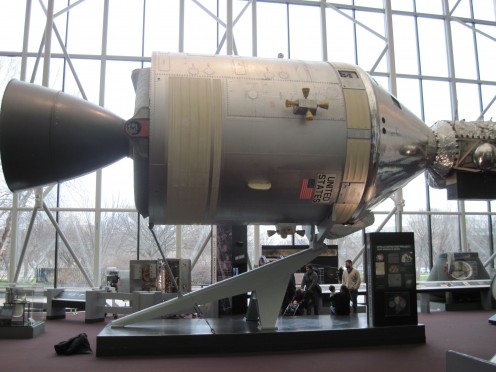
The space race between the United States and the USSR during the 1950s and 60s influenced the museum to get a new name. The U.S. Congress passed a bill that provided the appropriations necessary to build a new exhibition hall. The museum's name was changed from the National Air Museum to the National Air and Space Museum. The exhibition hall construction was completed in 1976. It was open during U.S. Bicentennial festivities. The director of the event was Michael Collins. He went to the Moon during the Apollo 11 mission.
Museum Statistics
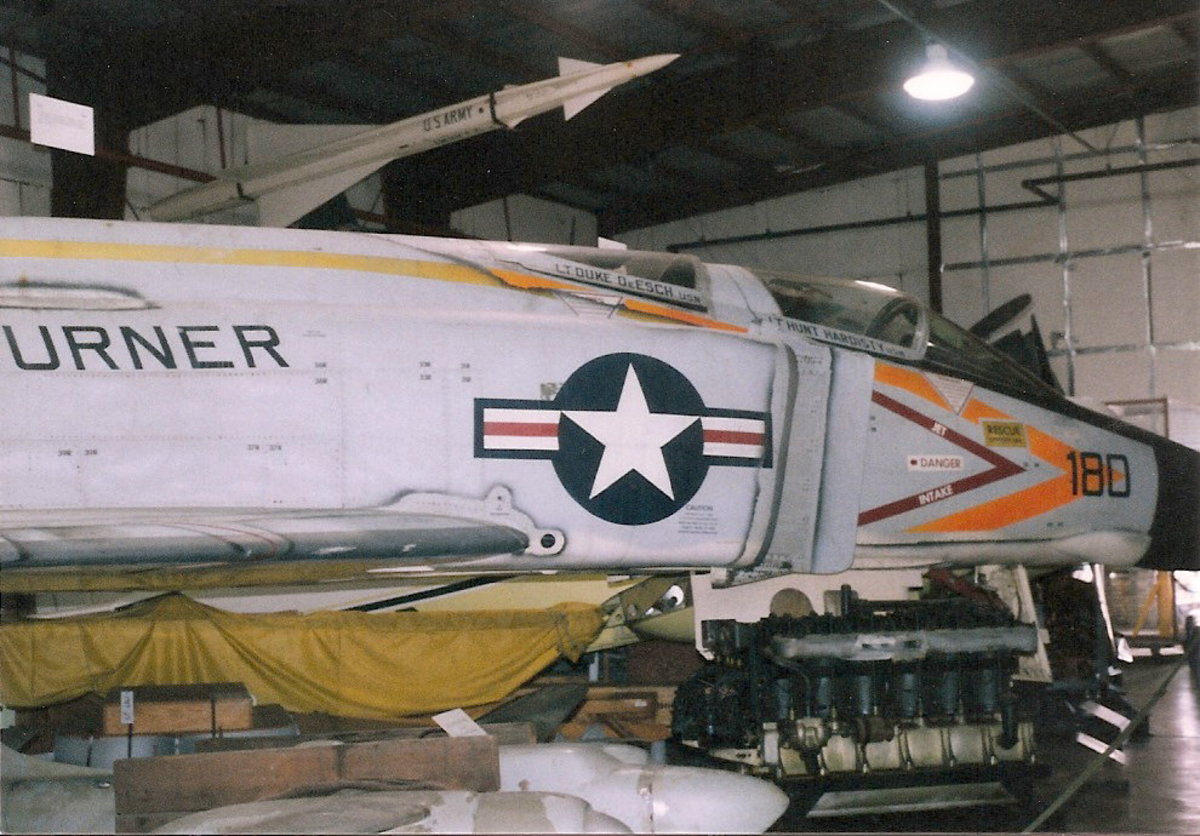
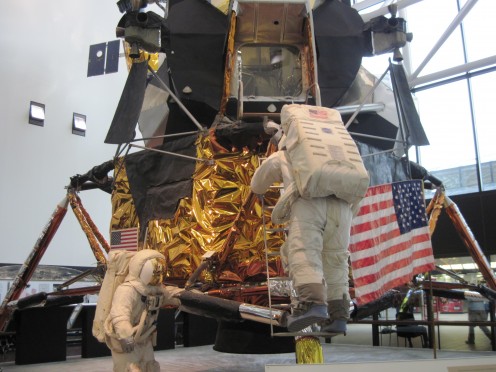
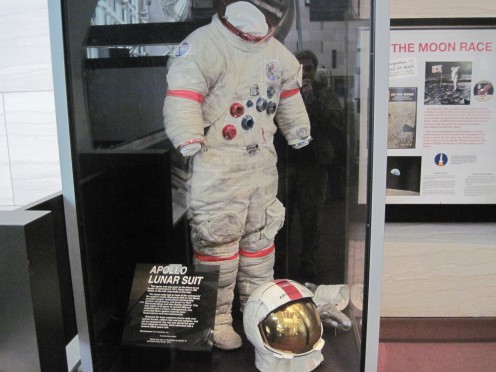
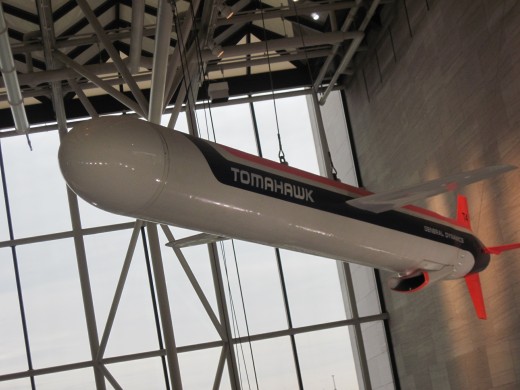
The NASM is the biggest of the 19 museums operated by the Smithsonian. Over 7.5 million people visit NASM's two locations. This has made it the most visited museum in the United States. The collection held by the NASM contains over 59,500 items. Visitors are able to see everything from jetliners to Saturn rockets. There are microchips, space helmets and much more. A third of the spacecraft and aircraft in the NASM are unique and one-of-a-kind items. Many of them were part of historic milestones in space and aviation. It also has important documents that recorded historic events in technology and science. There are over 12,00 cubic feet of these archived documents. The NASM contains over a million aviation and space images. There are also 14,000 films and videos. Experts from the NASM have also produced ground-breaking research concerning spacesuits.
Center For Research
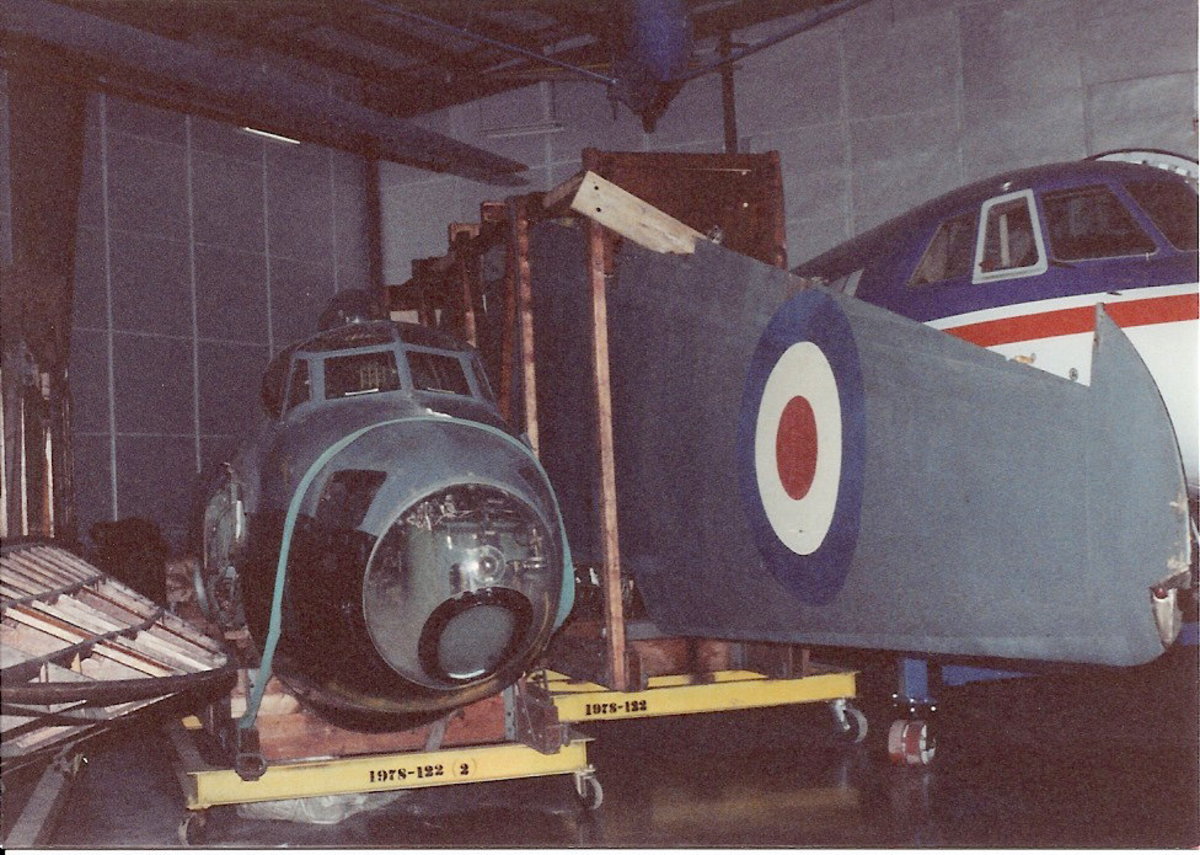
The NASM is recognized worldwide as an important place to conduct research into the history of spaceflight, as well as the science involved with aviation. People come here to engage in research concerning geophysics, planetary science, and terrestrial geology. Visitors are able to see the actual spacecraft or aircraft used during historic events. In some cases, people are able to see the backups that were constructed in conjunction with the originals. All of the items on display have been restored. The process of restoration for the NASM collection is conducted at the Paul E. Garber Facility in Maryland. It provides restoration, preservation and storage services.
Aeronautics Department
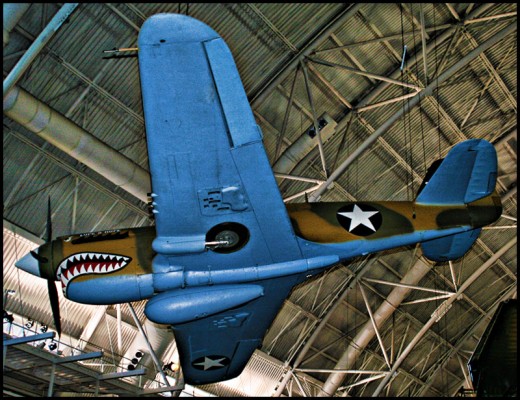
This is part of the NASM that conducts historical research and collects items for the NASM. The items obtained concern all areas of flight into the atmosphere. The goal is to preserve, document as well as interpret the history of aeronautical technology. Staff members provide information for publications, seminars, exhibitions and a number of different public presentations. They also spend quite a bit of time responding to a large numbers of requests from the public about aeronautical history. A variety of artifacts is also available from the NASM loan program. It is designed to loan historical artifacts to museums located around the United States.
Space History Department
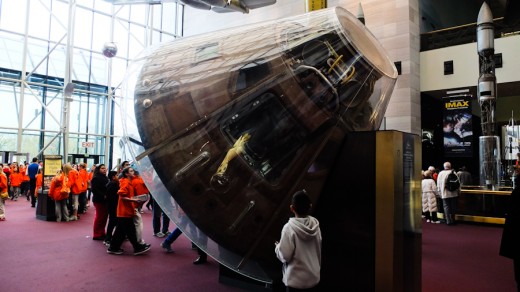
This is the area of the NASM dedicated to space-related historical research. This department is responsible for collecting and exhibiting artifacts associated with the history of space exploration. This department collection of rocketry, and space-related items and information is not equaled anywhere in the world. It preserves the historical aspects of missiles, avionics, satellites, space-based astronomy, rocketry, space flights and more.

Planetary Image Facility
The NASM contains a Regional Planetary Image Facility that is supported by NASA. This facility is known as the Center for Earth and Planetary Studies (CEPS). It has been designed to be a reference library used by planetary science researchers. The items it contains is an impressive collection of image data obtained during planetary missions. It is important for researchers to know the images at CEPS are not able to be purchased. There are no reproduction services available.
Visitor Information
WEBSITE
https://airandspace.si.edu
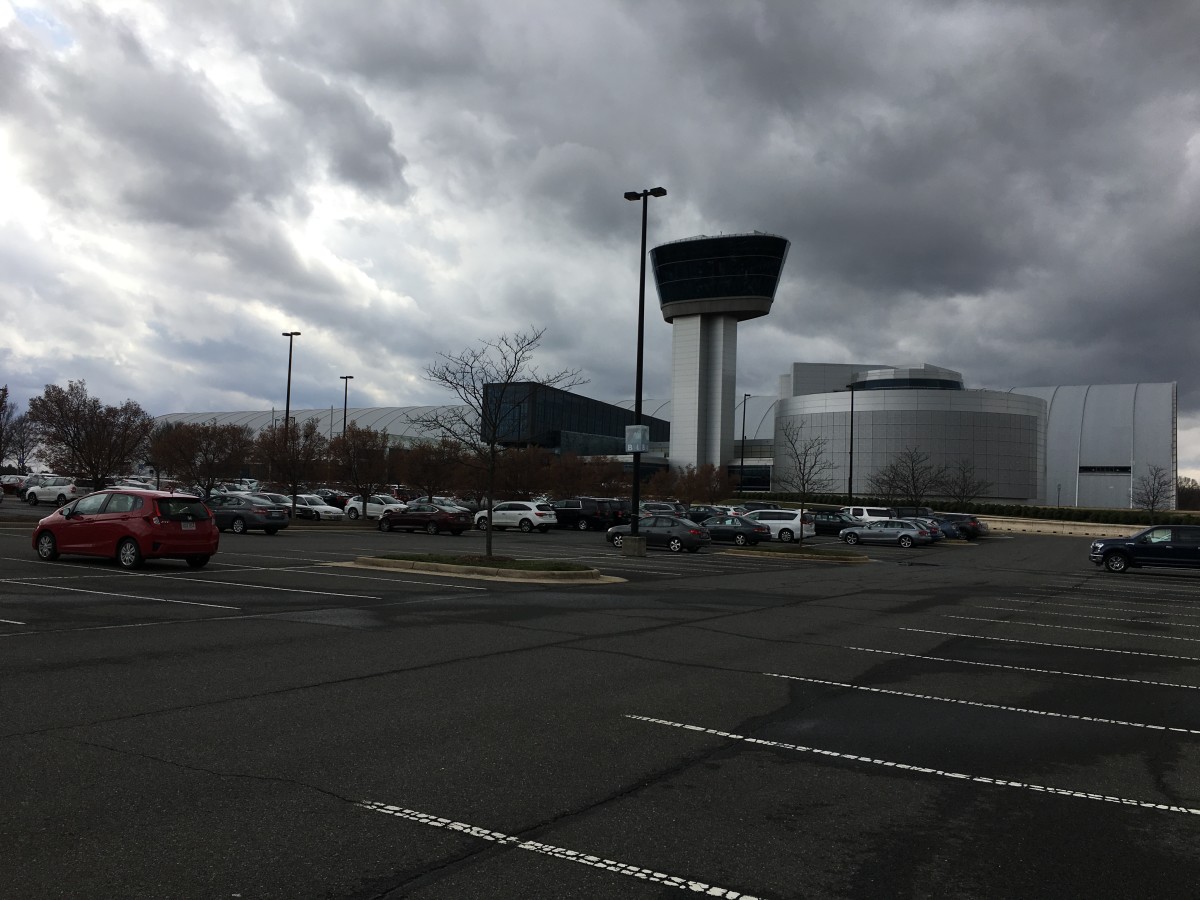
Steven F. Udvar-Hazy Center
https://airandspace.si.edu/visit/udvar-hazy-center
NASM-VisitorServices@si.edu
ADDRESS
Independence Ave at 6th St, SW
Washington, DC 20560
Steven F. Udvar-Hazy Center
14390 Air and Space Museum Parkway
Chantilly, VA 20151
PHONE NUMBER
202-633-2214
Steven F. Udvar-Hazy Center
703-572-4118
HOURS
Open 10:am – 5:30 pm
NASM is open every day except December 25
Admission is FREE
Location Of National Air And Space Museum

Location Of Steven F. Udvar-Hazy Center