The Benefits and Side Effects of Hoodia Gordonii

The Hype on Hoodia
The U.S. ban on ephedra left a void in the diet pill industry, leaving the country ripe for a new supplement craze. Jumping in to fill the vacuum, hoodia gordonii hit the market with a vengeance, claiming miraculous appetite suppressant powers with zero side effects.
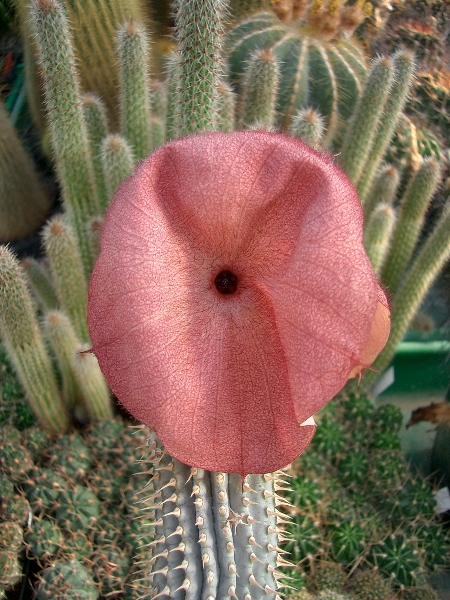
The pills and patches sold in the western world became vastly popular very quickly, based on stories of bushmen in the Kalahari desert who would cut open the hoodia plant and chew on the bitter inside of the stem to ward off hunger and thirst during long hunting trips.
These days, hoodia is sold in the form of capsules, powder, and trans-dermal patches, and has been added to the formula of several already-established weight loss supplement brands.
The Nitty-Gritty on Gordonii
There are over a dozen types of hoodia, and only one, hoodia gordonii, contains the active ingredient (called p57) believed to function in the suppression of appetite. There have been no randomized controlled studies of the effects of hoodia gordonii on humans, only anecdotal evidence, such as the testimony of 60 Minutes correspondent Leslie Stahl that, after chewing a piece of the cactus-like succulent given her by a local bushman in Africa, she lost the desire to eat or drink for the rest of the day.
In 1963, South Africa's national laboratory claimed to have done a trial that animals given hoodia gordonii had lost weight, and in 2004, a study published in the September issue of Brain Researchfound that injections of p57 into the appetite center of rat brains resulted in altered levels of ATP, an energy molecule that may affect hunger. However, these two tests speak nothing to the applicability to human consumption or the safety of a daily hoodia supplement.
The Safety of Supplements
There are a number of concerns for consumers interested in taking a hoodia regimen for weight loss. First of all, the Food and Drug Administration has no regulatory power over the claims made by or ingredients in so-called "diet supplements." Currently, this results in effective zero accountability for the manufacturers of such products, and almost no liability in the event of unwanted side effects.
Mike Adams of News Targetestimates that at least 80% of the hoodia being marketed to your Average Jill today is counterfeit, and there is still no reliable way of telling whether or not what you buy is genuine hoodia. In addition, large numbers of the hoodia products readily available are derived from types other than gordonii, rendering them useless in the pursuit of weight loss.
Since there are no published studies on safe use in humans, we actually have no idea whether or not hoodia gordonii has any undesirable long-term effects on the body. There has been at least one rumor circulated about people on a hoodia regimen dying of dehydration, having lost the desire to drink water. One former scientist at Pfizer, the pharmaceutical company that purchased the developing rights to hoodia in 1998, testifies that although the $21 million dollars of research did turn up some evidence of effective appetite suppression, it also indicated that there was unwanted, potentially serious damage to the liver from regular use. No tests have been done on drug interactions or use in people with pre-existing medical conditions such as diabetes, high blood pressure or cholesterol, or mental illness.
All said and done, hoodia gordonii is an unproven weight loss aid, and an unnecessary risk to a person's health. Others might call it a "buyer beware" purchase, but my advice is: "Buyer, bypass!"
Healthy Ways to Lose Weight
- Natural Diet Supplements for Weight Loss
What are the best natural dietary supplements for weight loss, and where can you find them at reasonable prices? This guide will give you the what, why, where and how... only you can provide the who. - What Does a Healthy Diet Look Like?
So many nutritionists spend so much time telling us what not to eat and how terrible crash diets are, we are left wondering just what we ought to be eating. We all know what a balanced diet isn't. So what does a healthy diet really look like? - Low Fat Cooking Tips and Baking Substitutions
You've heard of substituting one ingredient for another, but how do you know what works, or how much to use? I've laid out below the substitutions I've found tried and true in my own kitchen that won't alter the texture or flavor noticeably, complete - How to Fit More Fiber Into Your Diet
Fiber-What makes it so good for you? And how can you fit more of it into your diet, without subsisting on bran flakes and Metamucil?