Horse Stalls: Building Tips

Are you a new horse owner or a potential horse owner? If so, your animal or animals will need a place to call home. Equines need shelter from the cold, from rain, and from the punishing rays of the sun in areas with hot summers. Horse stalls are also necessary for confining your horse in case of illness or injury. Foaling mares need a place away from other horses, too, and a horse stall would be the answer.
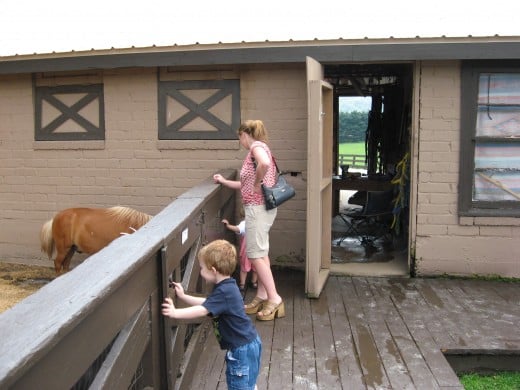
When planning a horse barn with individual stalls, there are several things you need to consider for the comfort and safety of your equine. You need to make sure it's large enough, with proper ceiling height. The size of the stall should be in proportion to the size of the animal for which it is intended. The horse needs room to turn around and to lie down comfortably. It also needs room to get up without injury.
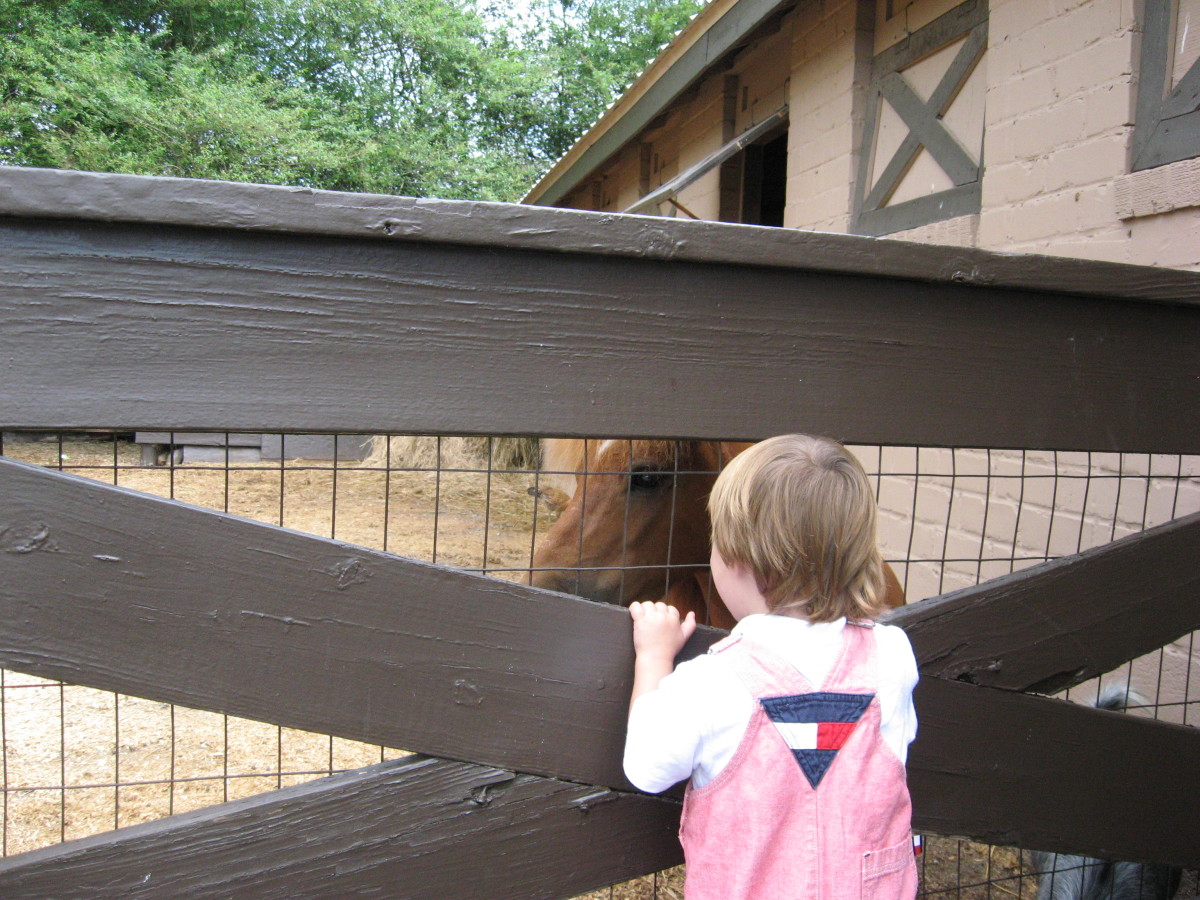
If your horses or ponies are going to be spending a lot of time in their stalls, you might want to consider adding adjoining paddocks. Even a small enclosure will get the horse into the sunlight and fresh air instead of being "cooped up" in the barn for long periods of time.
An average-size saddle horse, one weighing up to 1,000 pounds, will need at minimum a 12 x 12-foot stall. The ceiling should be at least 12 feet high. If the horse is to spend a significant amount of time in the stall, the enclosure needs to be larger. You might also want to consider a horse toy or two to relieve boredom and stress.
A miniature horse needs an 8 x 8-foot stall with a seven-foot tall ceiling.
A pony requires a 10 x 10-foot stall with a ceiling height of 8 feet.
A large breed like a warmblood or draft horse requires a larger stall. A 14 x 14-foot stall would work. The ceiling should be at least 12 feet in height.
A typical foaling stall should be 12 x 24, with a 12-foot ceiling.
Stall doors need to be 4 feet wide x 8 feet tall. The door should swing to the outside. It's a good idea to have a chain attached to the door so that it can be fastened to an outside stall wall, keeping it open. This will stop the door from swinging freely in the aisle and becoming a potential injury hazard to the horses as they enter or leave the barn.
Some horse owners prefer a stall entry door that is only 4 feet tall, enabling the horse to hang its head over the door to look out. Bad idea. Many horses have been severely injured by attempting to jump over their stall doors. Some had to be euthanized. Give your horse enough time out of its stall each day so that this isn't an issue.
Partitions between the individual stalls should be tall enough so that the horse cannot get its foot caught if it does a high kick. These should be 8 feet in height. They do not have to be solid walls. Slatted boards will increase air circulation and will allow the horse neighbors to "visit." It is important that the slats are placed close together, however. The space should not be large enough for a horse to get his foot trapped between the boards.
The best horse barns and stalls have a concrete or stone foundation. The stall boards around the perimeter should rest directly on the stone or concrete. A gap at the bottom is just asking for trouble. The horse could slip or strike out with a hind leg and trap his foot in the gap.
Many horse owners like a barn with a loft - an area over the stalls for storing hay. While this might be convenient, it's not a good idea. Hay and straw are highly flammable, and should the barn catch fire, the hay will make the situation much worse. Also, many hays are full of dust and small debris. If it's stored over the stalls, these allergens will be constantly sifting through the cracks and into your horse's ears, eyes, and nose.
Designate an area on the other side of the barn for the storage of hay and grain. You'll probably also want a tack room for storing saddles, bridles, and blankets. One section of the tack room should be used for medications and first-aid supplies. You might also want one room that's completely enclosed for privacy that can be used for a changing room.
For more specifics, ideas, and building plans, check out the books below.
To read more about horses, ponies, and training tips, click the article links below the Amazon products.
Read more about horses and ponies:
- Why and How to Ride a Horse Bareback
Horse and rider tips for how to ride a horse bareback. Amazing videos and discount bare back saddles included! - Horse Slaughter: The Truth
This article provides horse slaughter facts, along with ways you can help abolish the practice. Photos and videos are included. - World's Smallest Horse - At Just Six Pounds! See the Video!
A new world record might very well have been born this past Friday, April 23, 2010 the tiniest horse. Einstein, a miniature horse, weighed in at just 6 pounds. That's smaller than most human... - The Best Horse for Trail Riding
Ive owned, bred, and worked with several breeds of saddle horses. These include the American Quarter Horse, the Appaloosa, the Tennessee Walking Horse, the Arabian, the Thoroughbred, the Paint, the... - Great Horse Movies
I think I was born to love horses! When I was a kid, that's all I thought about. Every Christmas and birthday, I asked for horse stuff. Mainly, I asked for my own horse, but this wish was difficult for my... - Horseback Riding Vacations: An Overview
Experience a cowboy vacation. The remuda. Herd cattle. Learn to rope. Some guest ranches have their own Old West town. There's a horse for just about everybody! Round up strays. Ever dreamed of being a... - Great Toys for Horses and Ponies
Toys for horses? Yes! Many people don't realize that horses can get very stressed when they get bored. This is especially true of horses that are kept alone or for horses that spend a lot of their time in...