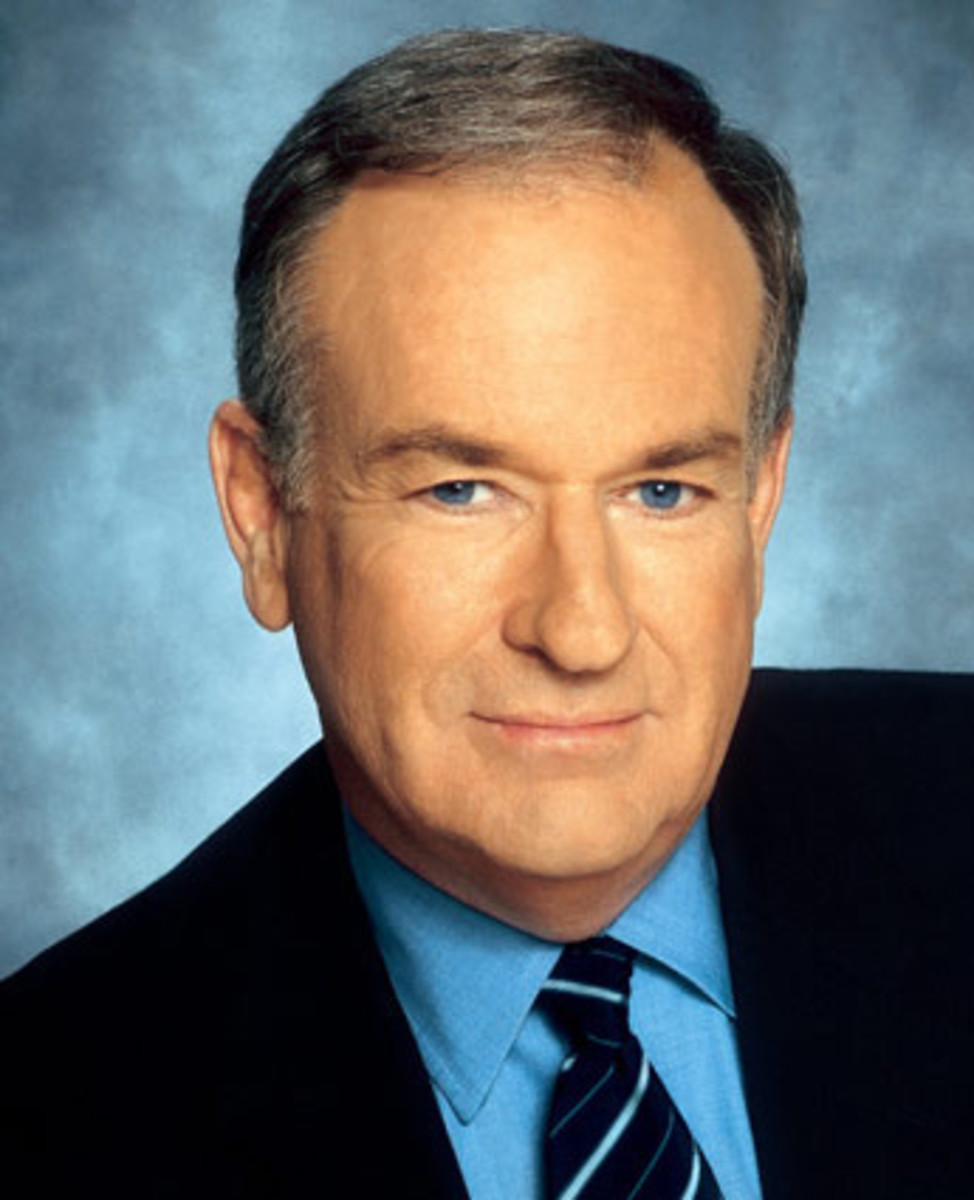
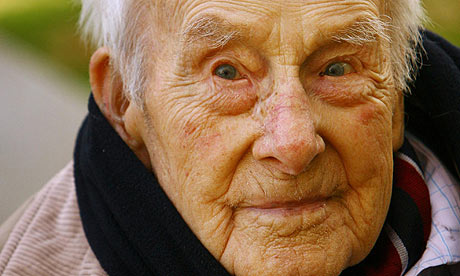
Henry Allingham,World's Oldest Man Dies aged 113

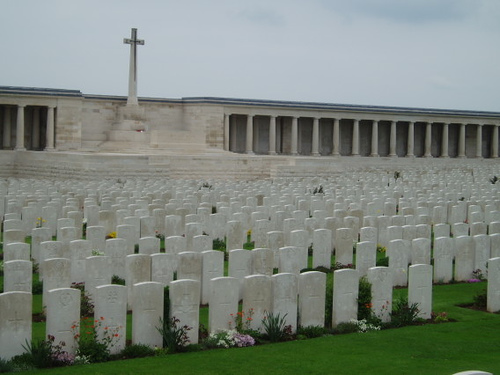
War memorial at Ypres, France
Introduction
Henry Allingham the world’s oldest man and last British veteran of the First World War died July 18, 2009. His death brought many thoughts to my mind.
On a personal level
My Dad who was born in 1914, served in the second world war and died in 1969 aged 55. He had suffered what would now be recognized as Post Traumatic Stress disorder but back then was termed as the occasional nervous breakdown. He had a period of reasonable health but his nerves won out. He attempted suicide at one point when desperation sunk in.
This was hard to understand as a child but I do now. Well almost. He felt that his periods of ill health meant that he was a burden to us and saw this as closure. He was a very religious man which made thoughts of suicide and the war itself tricky, to say the least. However I guess his mind was in such a turmoil that nothing would be clear.
Eventually as he seemed to settle cancer took him very quickly. His all too short life had seen him orphaned very young, fighting in India and Burma and struggling to pick up the pieces afterward.
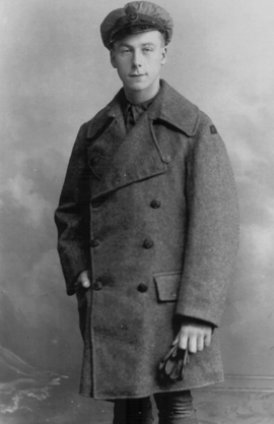
Henry Allingham.
I saw Henry Allingham a little while ago on TV, shown as the last war veteran of the Great War. I initially thought people such as him who picked up the pieces after conflict made it harder for those that could not. Probably that is why it took so long for PTSD to be recognized. Of course the top and bottom is that we are all different and react so differently to trauma. My Dad’s religion made it much harder for him to come to terms with having to kill in battle.
However Henry did have his own demons.
Memories of Henry
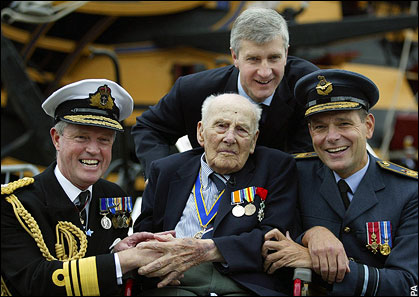
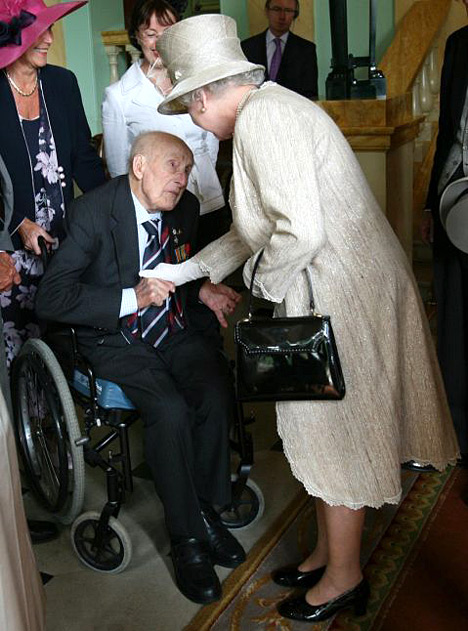
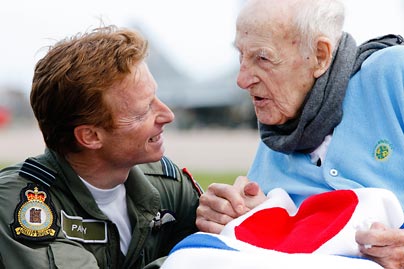
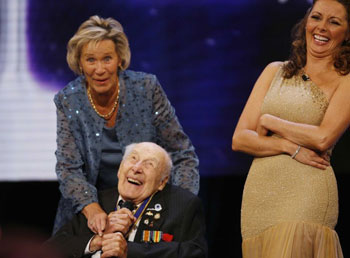
The Great War

Henry Allingham
Henry was born in 1896 which means that his life spanned three centuries. Amazing.
Henry was just 14 when the first world war began and he tried in vain to enlist. His mother pleaded with him not to join up but when she died in 1915 Henry was off. Amongst his war experiences Henry witnessed the Battle of Jutland. Ultimately he became the last surviving member of the Royal Naval Air Service and founder member of the RAF.
When Henry was asked about the secret of his longevity this is what he had to say:-
"I don't know if there is a secret, but keeping within your capacity is vital. I've had two major breakdowns, one during the war and one after, but both when I was trying to do the work of three men. The trick is to look after yourself and always know your limitations."
On a lighter note he also said that his secret was "cigarettes, whisky and wild, wild women".
The first is so very true and we need to take this sound advice to heart. One of my expressions is that:-
"I do not want to be the richest corpse in the cemetery"
I guess it is all about balance and putting things into perspective. Yes, we all want and like possessions but in the great scheme of things they do not mean much.
Henry lived a normal life after the war and worked in the motor industry. He retired in 1961. Imagine being retired for 48 years, yet another amazing record I guess. Initially Henry had not wanted to talk about the war and it took years for him to open up. It would seem that he too had probably a form of PTSD from the horrors he witnessed in France.
Eventually when he was retired he was persuaded to become involved in the First World Ward Veterans Association. Here is some of what he said about his experiences at Ypres, in France:-
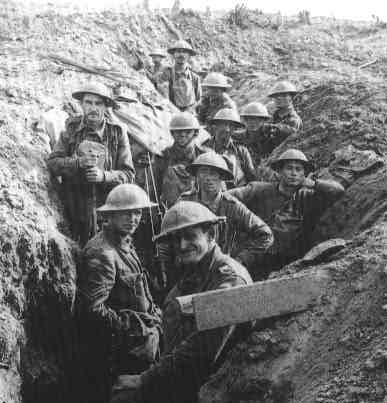
"They would just stand there in 2ft of water in mud-filled trenches, waiting to go forward," he said. "They knew what was coming. It was pathetic to see those men like that. I don't think they have ever got the admiration and respect they deserved."
He remembered spending a night in a shell hole in Flanders. "It stank," he said. "So did I when I fell into it. Arms and legs, dead rats, dead everything. Rotten flesh. Human guts. I couldn't get a bath for three or four months afterwards."
One can see why it is so important that we do not forget such wars.
Although Henry was married for 50 years he had been widowed since 1970. Henry leaves behind a failry large family.
Henry's life has spanned so many important historical events. Henry remembered reading that the Titanic had sunk when he was 15. He was 67 when Kennedy was assassinated and 73 when the first man landed on the moon.
In his later years he became a sort of symbol. He gave talks to school children, completed a biography and was always seen at remembrance ceremonies.
Henry summed up his long life with:-
"How have I lived so long? I never worried. In the 20s there were millions of men out of work. You couldn't get a job anywhere. I wasn't worried. I'm not worried now," he said. "I was cycling along Rotten Row one day when I saw George V come along on his horse. I took my cap off, and the King tipped his riding crop. And I said, 'Give me a job, sir, I'll do anything for you.' But it was lost in the clatter of the hooves."
And
"I'm not the kid I used to be, but I still get around. You make your own happiness, whatever age you are. Seeing the funny side of life is useful, and I've always had a sense of humour. People ask me, what's the secret of a long life? I don't know."
Perhaps it helped that Henry was so young when he joined up. He would still have been a teenager when the Great War ended.
People who knew Henry said that he was a very dignified man. He was quiet and unassuming. Having survived the horrors of the trenches he just realised that nothing could be worse and life could only improve. He would sing, never complain and stay positive, defying death to take him.
Henry passed away at the care home where he lived in East Sussex on 18th July 2009 aged 113.
What a remarkable man and a remarkable life. He strikes me as one of those we term "Salt of the earth" and sadly these are in short supply these days.
RIP Henry, you have certainly earned it.