- HubPages»
- Travel and Places»
- Visiting Asia»
- Southern Asia
Going to Poona - Part Two: Poona Railway Station and the Big Shop
So we stayed in the train and we stayed in the train, and the train took us all the way to Poona. And when we got to Poona, everything started to happen at once.
When we were pulling into the station, there were men running along beside the train and they were calling out; calling up to our carriage. “Pani! Pani!” and “Pani Sahib. Pani Memsahib”
They had water in a big canvas bag over their shoulders and they had a metal cup which was attached to a chain so they could get it back if the train went away. They were pani wallahs, the men who sold pani, which was water, for only a little bit of money. And people bought it because they were so thirsty because it was so hot. And one of the pani wallahs came into the carriage, once. So the man on the train came and beat him with a big stick and said, “Go away. Go away. Bas. Bas.” which means: “That’s enough”.
Chai Wallah
When I was small; very small, I was silly because I used to call it “pani-water”. That’s silly because panimeans water. So you just had to say “pani”.
We got out of the train and being at the station was so exciting. The whole platform was full of people and they were all doing things, And there was a man and he was giving another man a haircut and there was another man who was with a tiny, tiny baby on his knee; a little boy, much, much younger than I was and the man was shaving the little baby boy’s head; like a haircut, and he had a sharp razorblade like a knife and he was shaving the little baby’s head and the little baby was crying and crying and it made me feel all funny but he didn’t cut the little baby at all and that was so nice.
There were lots of soldiers; British soldiers and Indians as well, all in their uniforms.
Daddy wasn’t in his uniform because he was on a day out with his family, so he was a civilian; just a Sahib and not a Major-Sahib for the day.
There were people everywhere and the porters were carrying baggage on their heads.
Man with Sherwani and Pagri
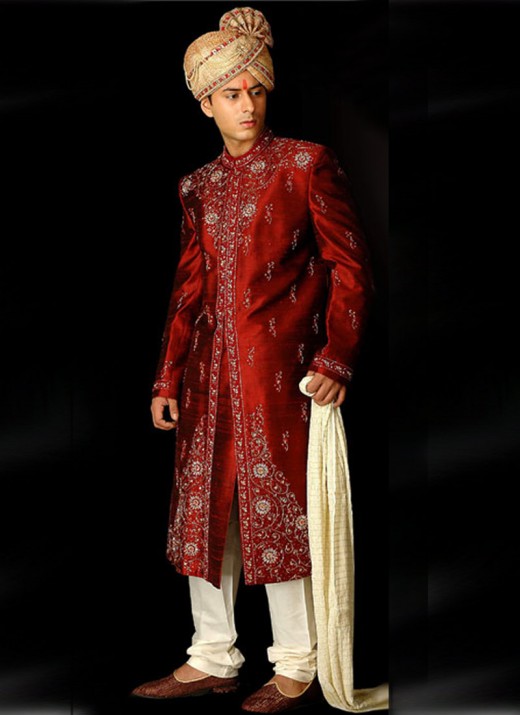
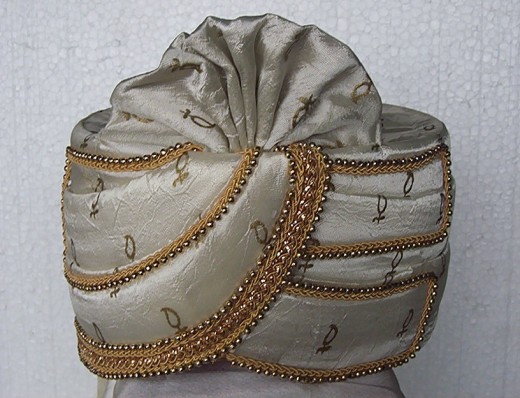
Then I saw a man who was so beautiful. He was an Indian man and he was wearing a beautiful pagri and a big sword and beautiful clothes. He was wearing a Sherwani and it was gold and red and cream, and he was so lovely.
And I said, “Daddy, is that man a Raja?”
And he said, “No. He’s just a Raja’s servant. He’s just a servant to a Raja,”
And he was so beautiful and tall; taller than Daddy, and he had a big beard and a big pagri. I loved him; he was so lovely.
And then we left the station and we went into Poona and there was a special shop that Mummy and Daddy always went into when we went into Poona. And it was a big, big shop and it was very cool inside. It was even cooler than when we were in the train sometimes. Sometimes it’s so hot outside, or in a train, but if you were very, very special; underneath your seat in the carriages for rich people they had a metal tray; right under the seat, and in it there would be great big blocks of ice and you could feel the ice under you. Your bottom wouldn’t be on the ice, but it made you all nice and cool. And the water didn’t go on the floor when the ice melted because it went in the tray, and I think that a man or a lady came when you got out of the carriage and they took the water away and the ice got smaller and smaller because it was hot outside.
And then we went to the big shop where Mummy and Daddy liked to go
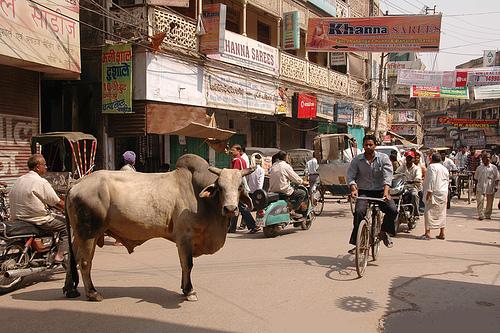
In the street outside the shop there were people walking everywhere and tongas and lots of people and so much noise and there was a cow that just stood in the road and a car couldn’t get past because the cow was just standing there and looking at the ground. A Military Policeman came but he wouldn’t move the cow and he just went away again.
Just as we were going into the shop, there was a little girl; I remember. Every time we went to that shop in Poona, the same little girl would be just outside the shop on the ground near the door, and she would be holding her hands out and she would be asking for money and she looked so sad. She was a tiny little girl; very brown, and her hair was sticking out in all different directions. She would put her hands together and say, “Salaam, Memsahib. Salaam, Sahib” and then hold one hand out and say, “Please! Please!” in English, and she didn’t have any feet. I couldn’t see her feet because she didn’t have any feet. Just her legs, and no feet.
And it was so sad,
And then we went in the shop and had tea in there, and it was just like when we had tea in England when I went to have tea with my Granddad in Colchester, and it was the same. And it looked the same. Just like in England.
I had camomile tea which Mummy told the lady to pour for me. It was milk with “just a dash of tea” and it made me feel like I was a baby really, because I wasn’t allowed to have real grownup tea like Mummy and Daddy; but camomile tea.
After we had our tea, Mummy went up some stairs and she was talking to a lady behind the counter and the lady was explaining to Mummy about clothes. The lady was very grand and called Mummy Madam instead of Memsahib, and her voice was very strange and very posh.
Mummy wanted to buy a pretty dress because she was going to a very important party or a ball; she and Daddy were going, because she was going to meet somebody very, very important. While she was talking to the lady behind the counter, I went down a little passageway between beautiful ladies’ dresses which were hanging on hangers and some of them had tiny, weeny, weeny little mirrors; tiny round mirrors; all stitched to the dress. And when the dress moved, it sparkled and shone and the light came out and tickled my eyes. They were so lovely. And I tried to take one off with my fingernails and Mummy said they were sequins and she said that I mustn’t touch them because they belonged to the lady in the shop.
But I looked on the floor and I found one, but it was so tiny that I couldn’t pick it up. So I wet my finger, and I touched it and it stuck to my finger and I put it in my pocket; but when I looked later, it had gone. It must have fallen out.
And then after a long while in the shop, we came out through another door. In that shop you went in through one door and when you came out you could come out from lots of other doors. But when we came out the other door, that little girl was waiting there. That little girl without any feet. And she was there at the other door, and I wondered how she got there,
Did somebody take her? She couldn’t have walked; people can’t walk if they have no feet. And it was very sad.
Mummy always used to give people money when they held their hands out and said, “Please”, but Daddy would say, “No, you mustn’t, Ann, because they will all start”.
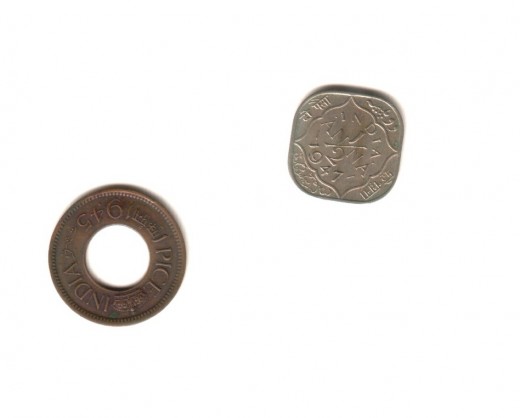
Sometimes she would give lots of money. She would give an Anna; sometimes two Annas, which was quite a lot of money. Or sometimes it was little bits. She would give a Pice or a Pie.
There were four Pie to a Pice. And there are four Pice to an Anna and that makes it not worth as much.
And there are sixteen Annas to a Rupee. Some of the Pice and the Annas and the Pie had all different shapes. Some of them had a hole in the middle. Sometimes the hole was a round hole; and the middle bit had been left out. And you had to know all the different coins and what they were worth and I learnt them because I could do my sums,
And I think there were sixteen Pie to an Anna but a lady said there were only twelve, but that is still a lot, and there were sixteen Annas to a Rupee. Rupees were so lovely. They were big coins. Sometimes I had one when I had been very good. Sometimes someone would give me a Rupee; Mummy or Daddy might, but not very often.
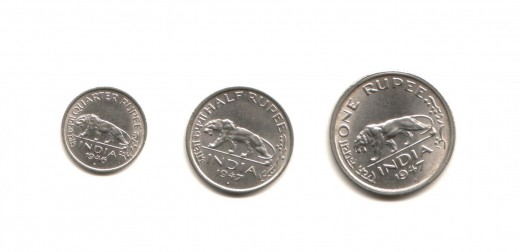
Later, just before we left India, they made some new Rupees and they were lovely. They had a big tiger walking on one side and they were made of silver and they were so, so lovely. They said 1947 on them and I liked them so much. And I kept two. And I didn’t use them and I didn’t spend them at all and I kept them… they were so beautiful.
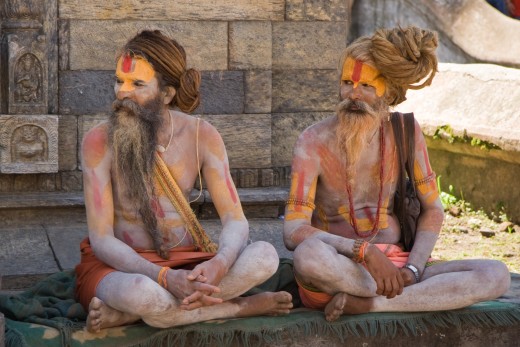
When we finished in Poona, it was late in the afternoon and it was still hot. Of course it was hot. And it was going to get dark very soon. So we went back to the railway station and when we got there, it was just the same as before. So many people doing so many things. It was very exciting but you had to be careful not to go near the edge of the platform and there were still people having haircuts and there was a Sadhu, I think; a man. He was so dirty looking and he had long, long hair and he never had a bath... ever! He most probably didn’t have a bathroom; maybe not.
We had a bathroom at home.
He was very dirty and his hair was very long and all squidged up.
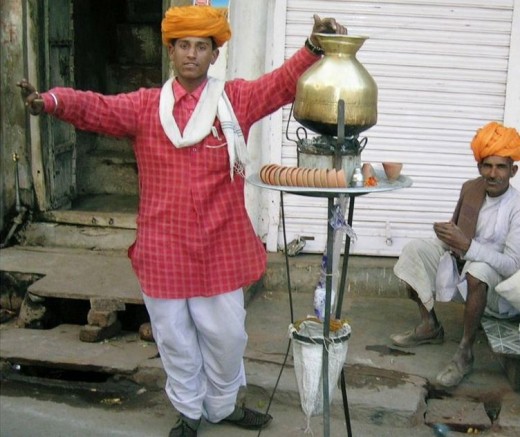
And when we got on the train, there was a chai wallah who was calling out, “Chai, Sahib... Chai Memsahib” and that was tea. He had a big teapot and he had a little glass and he poured hot tea in it, but we had just had tea in the big shop, so we didn’t want chai.
There were pani wallahs as well, and all the noise.
But I didn’t see the beautiful man with the pagri and the Sherwani, because he had probably gone back home to the Raja and that was a shame. Because he was so beautiful.
I was so excited and tired all at the same time, that I think I slept all the way how and can’t remember when we passed the village and the station at Shivaji Nagar,
A Glossary of Words used in this three part Story
Sahib:Used formerly as a form of respectful address for a European man inBritish India
Chota: little
Chota Sahib: Little Sir. Term of respect for a small boy
Memsahib: A married white or upper-class woman. Respectful form of address
Chapplis: Form of sandal with two broad leather straps: left to right and right to left meeting at the heel of the foot with a buckle. Leather sole.
Chappals: Open type of outdoor footwear, consisting of a flat sole held loosely on the foot by a Y-shaped strap, like a thin thong, that passes between the first (big) and second toes and around either side of the foot.
Degchi: A deep round saucepan traditionally made of brass or copper, but stainless steel is also available.
Tonga (Tanga) A light horse-drawn carriage used for transportation in India and Pakistan
Khansama: Cook
Bearer: Man in charge of the running of the household; under Memsahib, or Sahib. Also given the responsibility for a male British child.
Mali: Gardener
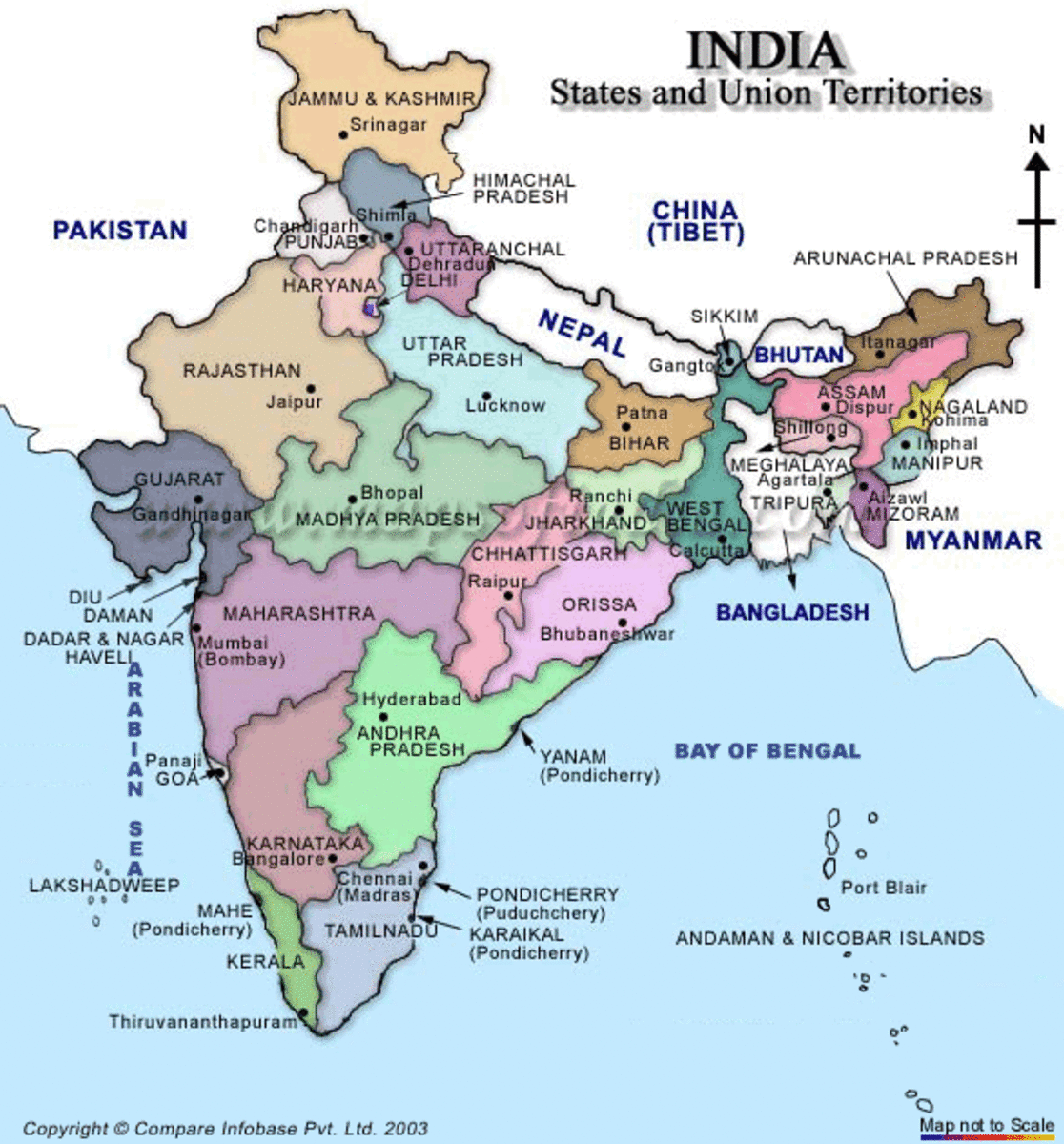
Poona: (Present day Pune)The eighth largest metropolis in India, the second largest in the state of Maharashtra after Bombay(present day Mumbai).
Sadhu: a holy man, sage, or ascetic.
Pagri
Going to Poona - A simple retelling of a family day out. A story in three parts. If you liked ‘Going to Poona’, you may also like:
- Krishna in the Morning
I had woken when Krishna came into the room and had brought me out of light sleep as his dry feet moved over the dry floor. Krishna always walked so quietly, so as not to wake the Chota Sahib. He walked so quietly, but when he saw that I was awake he - Chrome
Chrome When I was just a child in India How many times has that prefaced a tale? Our Mali fashioned for me with two sticks and net, a toy. A net for butterflies. And I went out and gathered Scooped the air and brought within our bungalow Plucked fro - Goodbye - A Poem Concerning departure
"Good Bye" by "Anonymous" This Poem was printed in: The Indian Army Ordnance Corps Gazette Vol. 25 December 1947 No. 12 The Author ("Anonymous") expresses her sorrow at leaving India and the wonderful India People; the country and people whom she had - Going to Poona - Part One: Shivaji Nagar
One morning, when I'd had my breakfast, Mummy told me that we were going somewhere special for the day and that I had to wear my special clothes for going somewhere nice. I was in my khaki shorts and the yellow and white striped top that I liked, and - Going to Poona - Part Two: Poona Railway Station and the Big Shop
So we stayed in the train and we stayed in the train, and the train took us all the way to Poona. And when we got to Poona, everything started to happen at once. When we were pulling into the station, there were men running along beside the train and - Going to Poona - Part Three: Returning to Dehu Road after Dark
When I woke up, the train was just pulling into Dehu Road Cantonment Station, and I thought for a minute we were still at the railway station in Poona. The Chai Wallahs and thePani Wallahs were still around the train, and I could hear them calling ou