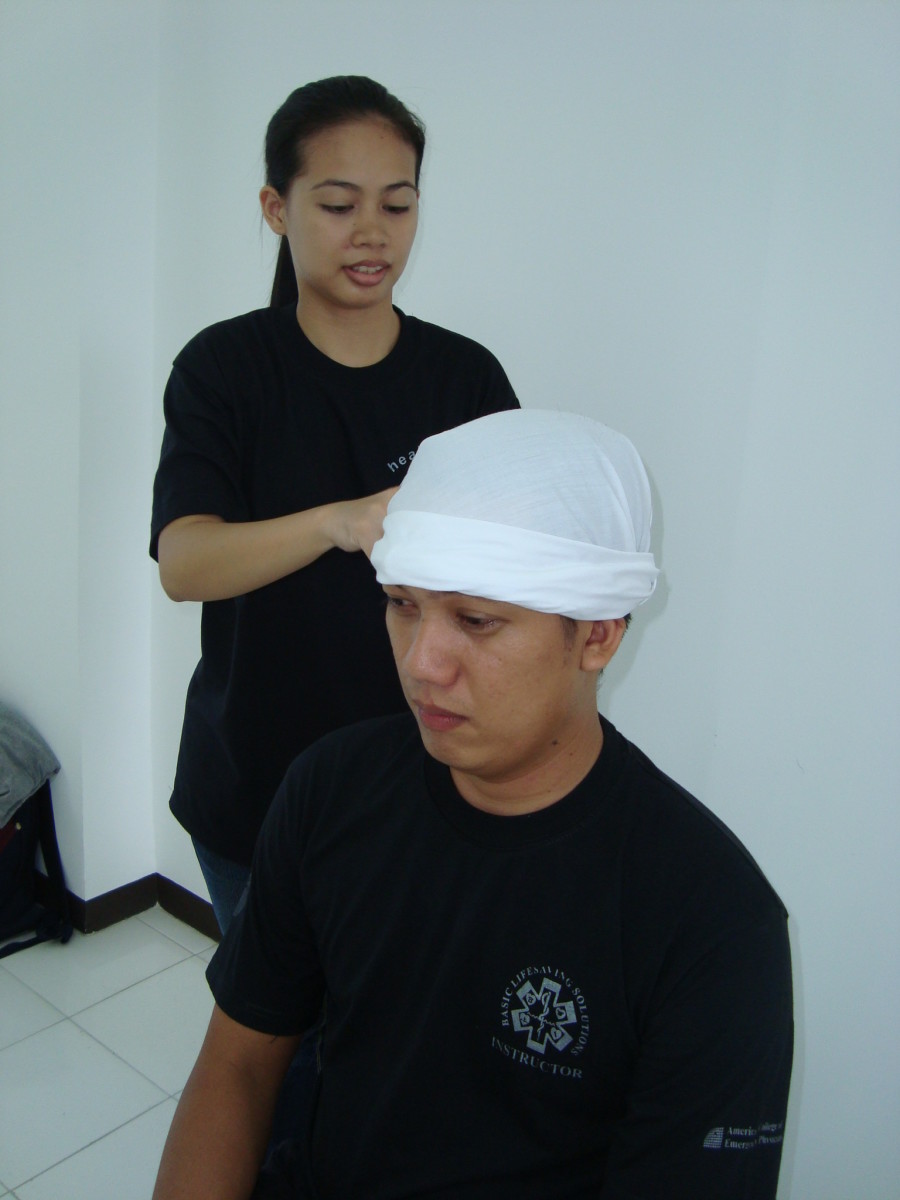
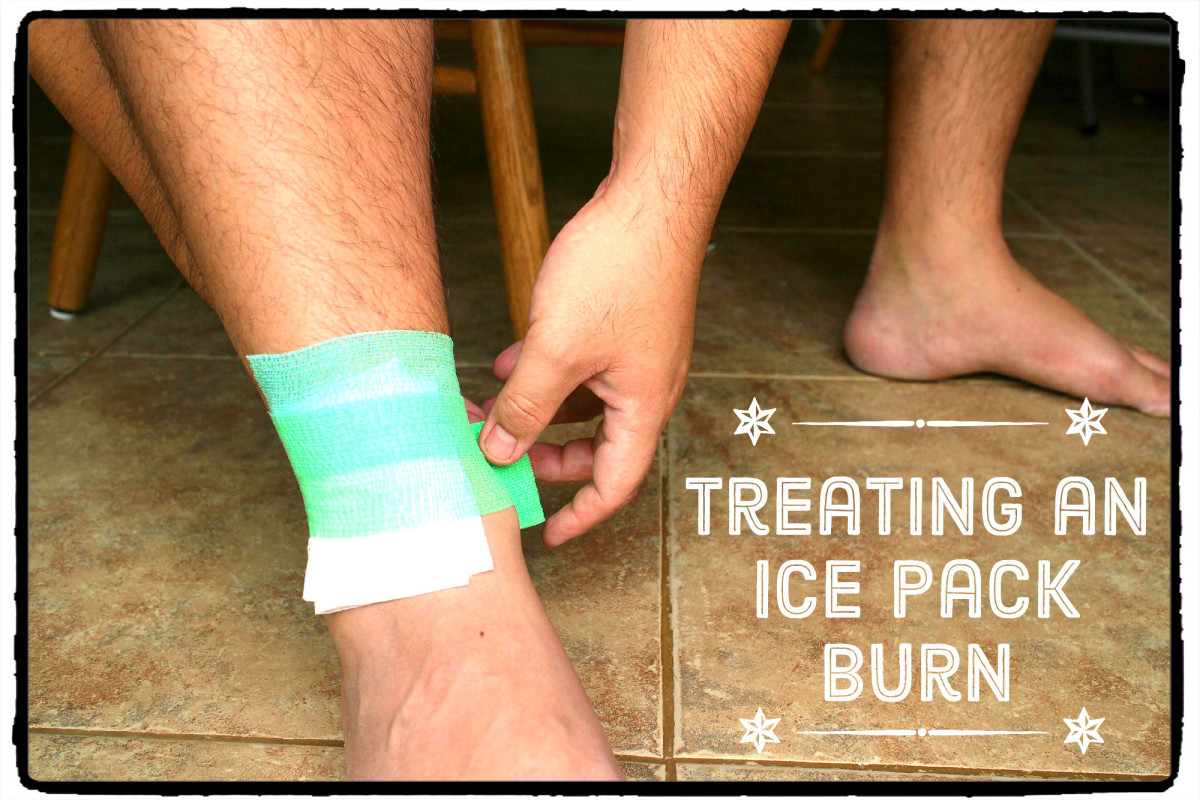
First Aid Training
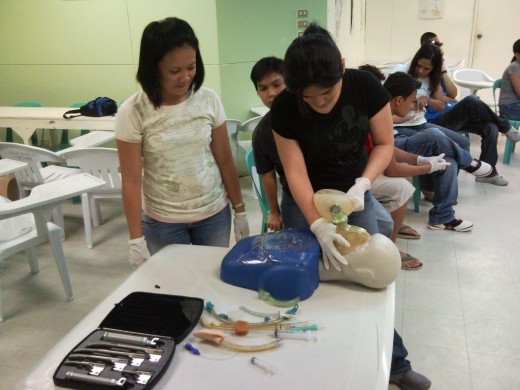
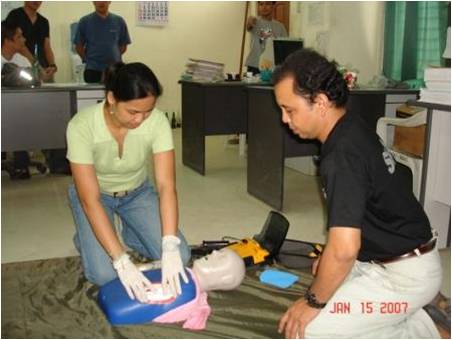
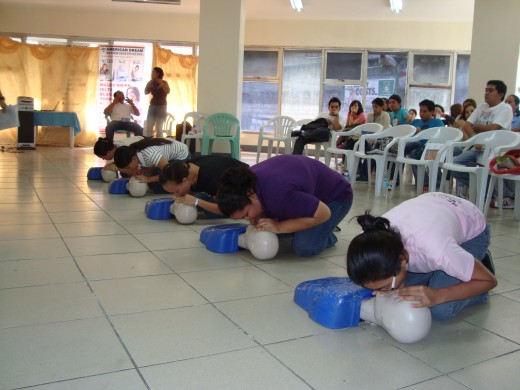
First aid Facts
First aid is the immediate temporary care given to a victim of accident or illness before the availability of a physician is acquired. It is imperative that people should have proper training in First Aid since an emergency may happen anytime. Certain countries have incorporated in their local laws the need for first aid training to certain individuals working in companies, hotels, resorts, and other places of work. Knowing what to do in an emergency will make us confident. We may have not done a great impact in society but by aiding someone in an emergency, or teaching a person how to respond during an emergency is a truly rewarding job.
Safety First
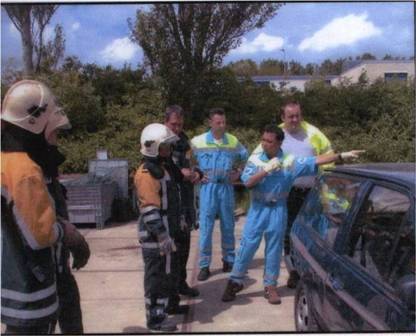
Before approaching any person to help in an emergency, insure your safety first. There is no substitute for scene safety. The first thing to do is survey the scene for any hazards that could be dangerous to you, to the victim or to the bystanders. There could be hazards like incoming traffic, fire, possible explosion, electrocution, assailant, etc. Once the scene is safe, that is the only time that you can approach the victim and start your assessment of the victim or victims injuries or illness. As a professional responder,they call this the scene size up. This is very important since this will give you an idea of the situation or an impression of what has happened as well as the need to call for assistance from the Emergency Medical Services (EMS).
Useful HUBPAGES Links
- Triangular Bandage
A triangular Bandage is a piece of clothing material that can be utilized in an emergency. Among all the bandages, it practically is the most readily available since you can convert any clothing material into... - Mouth to Mouth Resuscitation
Most people think that mouth to mouth resuscitation is similar to CPR. The fact is mouth to mouth resuscitation is only part of CPR and can be done without doing CPR. This is usually done when the victim has... - AED
Automated External Defibrillators (AED) are becoming more and more prevalent in schools, airports, and public buildings all over the country. These fantastic devices have saved many lives that would have... - How to control Bleeding
Wounds are of different kinds. However, any kind of wound may tend to bleed most especially if the vessels are injured. The amount of blood or pressure would depend on the vessels involve. The different kinds... - BLS CPR Training Guide
CPR stands for Cardio Pulmonary Resuscitation. This involves the giving if life giving breaths and a series of external chest compression to person who has no breathing and no pulse. Often, CPR is associated...
Call for Help.....
After conducting the scene survey, you have to remember that you cannot do it alone. So you have to call for EMS. In most countries they already have a designated number for emergency responders. Usually these are three digit numbers (eg. 911 in the U.S.) and are answered by dispatchers. This dispatchers in turn will dispatch to you the necessary personnel, equipments, vehicles depending on the nature of the emergency. It would be worthwhile to post this emergency numbers near your telephone at home, in the office or keep a copy of it in your wallet most especially if in your locality the 3 digit number is not in effect. It would be difficult to remember them during the situation. If your using a mobile phone, you don't have to worry a single thing since this gadgets are designed to call emergency numbers in your area. The universal mobile emergency number is 112.
Upon calling the dispatcher be prepared to answer the following questions:
- your name and your phone number (some EMS system have caller ID and can record your call.)
- location of the emergency
- the nature of the emergency
- number of victims
- the victims condition
Do not hang up the phone until the dispatcher tell you to do so. Bear in mind that the dispatcher may advise you to provide care.
Consent
Consent must be acquired before you provide care so it is important that the person must conform to your offer for assistance. However, it would be a problem if assuming that the victim is unconscious or perhaps not in the position or not capable of making the right decision. Consent therefore is categorized into two:
- Expressed consent - as long as the person is conscious and is capable of making decisions, the consent must be acquired before rendering care. It could either be verbal or a gesture like a simple nod. Bear in mind that there are victims who cannot talk during the accident.
- Implied consent - any person who is unconscious or person not in the position to give consent like children, adults with mental illness is said to have given their consent already.
First aid simulation
Provide Care
Now that we have consent, we can now provide care. Remember that lifesaving techniques are effective only if started immediately. Proper assessment should be done to identify life threatening conditions and immediately this should be corrected immediately. The basics for proper assessment are the A,B,C's. Airway, Breathing and Circulation. Any problem encountered on these areas should be addressed right away. A persons brain without oxygen for more than 4 minutes could likely suffer brain damage. Remember the basic rules of 3's. "you can survive for 3 weeks without food, 3 minutes without water, but you cannot survive for more than 3 minutes without air". So it is imperative that a person without breathing should be given the necessary care in the soonest possible time. A severe bleeding in turn could result into shock which basically deprives the body tissues with oxygen rich blood which may result to death. We will be dealing with the step on how to assess the victim and deal with the different conditions as we go on.
Your Personal Protection
Certain conditions may hamper as from providing the best possible care. One of which is the fear of diseases. The risk of acquiring an infectious disease is extremely low. However, it is advisable to have protective equipments to bring the risk further down. Diseases can be transmitted through the blood of an infected person, these are what we call blood-borne disease or through the air - airborne diseases.
BLOODBORNE DISEASES
Contact with infected persons blood may result to infection by one of the following blood-borne diseases
- Hepatitis B virus
- Hepatitis C virus
- Human Immunodeficiency virus
AIRBORNE DISEASES
- Tuberculosis
Using protective equipments and following simple procedures can control the risk of exposure from this infectious diseases. It is advisable that as a first aid provider the following protective equipments should be worn or utilized to keep the body isolated:
- gloves (at least several pairs)
- protective eye-wear
- standard mask or face mask
- Mouth to barrier devices
- face shield
- pocket mask
First aiders ordinarily will not have or need all equipments during an emergency. It would always depend on the case and situation. However, it is best to have them available just in case.
First Aid Supplies
There are certain things that we can prepare before hand which we could utilize the moment there is and emergency. It would be worthwhile to have them in advance. Likewise in the company setting certain items can be stored so as to have the necessary supplies the moment it is needed. Whether in the home or in the workplace, first aid supplies should be customized to make it appropriate for the specific setting. First aid supplies from the home-place may include personal medications while the workplace may contain more of some items base on the needs like if the company is a manufacturer of furniture, it is expected to have problems like cuts and bleeding, then several bandages, antiseptic, and other items for this concerns should be added more to the supply.
EMS
Abandonment
Now we are almost ready. But before we go into action, bear in mind that once you started your care, you must not leave the victim until another trained person takes over or the ambulance arrive. Leaving a person without someone taking over may be considered abandonment in some countries.
First Aid and the ABC's
Now that we have fully understand what first aid is all about, its time to know the ABC's. Once you approach the victim, tap the victim to check the level of consciousness by saying " Are you okay?. If the victim does not respond, shake the shoulders. If there is no response, immediately identify and correct immediate threats to life. Life threatening problems are those problems affecting the Airway, Breathing and Circulation.
Open the Airway- do this by tilting the victim's head using the head tilt chin lift method. Put one hand on the victims head and put two fingers on the patients chin. Once in position, slowly tilt the head. If you suspect cervical spine injury then do the jaw thrust maneuver. A thorough discussion on the jaw thrust maneuver will be detailed in the later part.
Check the Breathing- place your ear near the patients mouth and chest and observe for rise and fall of the chest. If the breathing is absent, give your rescue breaths.
Circulation - Check for bleeding. Under the healthcare provider setting, you check the pulse while checking for bleeding. Remember that severe bleeding is a life threatening problem and should be corrected immediately.
Should the victim have no breathing and no pulse, provide CPR. This will be discussed in the later stage. You do not proceed to the physical exam unless you have corrected the problems on the ABC'. Otherwise it is useless and the patient or victim will not survive.
Physical Exam
After checking and correcting the ABC's, you may now proceed with the physical exam. Start from the head and down to the feet. In doing so look for D.O.T.S, deformities, open wounds, tenderness and swelling. Remember that open wounds may have severe bleeding and should be corrected immediately if it was not corrected earlier during your ABC.
Another alternate method of doing the physical exam is by following the letters of the alphabet. Considering that from the very moment we started with our education we have been thought of the letters of the alphabet. This method is most likely easily remembered.
Assessment and Intervention guidelines:
- A - irway - open the airway and check for any obstruction
- B - reathing - check the breathing and provide rescue breaths if absent
- C - irculation - check for pulse or any signs of circulation problem (eg. severe bleeding) CLICK HERE on how to control bleeding.
- D -elicate Central Nervous System - check the patients head for any deformities or any signs of injuries, if the patient talks, ask for his name, and verify if he is aware of time, and place and what happened. Check also if he can move or not and if not check if he has sensation. (a person who is unaware of time and place may have brain injuries and a person without movement and sensation may have cervical or spinal column injury.)
- E - xtremities - check the upper and lower extremities for any signs of injuries or bleeding
- F - ractures - check for fractures. If the victim is conscious, ask for any areas of pain, deformities are typical signs of fractures and pain, tenderness and swelling could also be indicative of fractures. CLICK HERE to view splinting procedure.
- G - General Appearance - observe for skin color and temperature. A pale cold could indicate shock or just plain fainting. A flushed, warm face could be hypertension or stroke.
- H - istory- gather history of the victim, was it an accident or an illness. Ask the victim for other medical concerns like allergies, medication, etc. If the victim is unresponsive, information as to what have happened can be acquired from the bystanders or even perhaps by observing the scene. A person unconscious along the road could possibly be a victim of vehicular accident.
Do not move the victim unless....
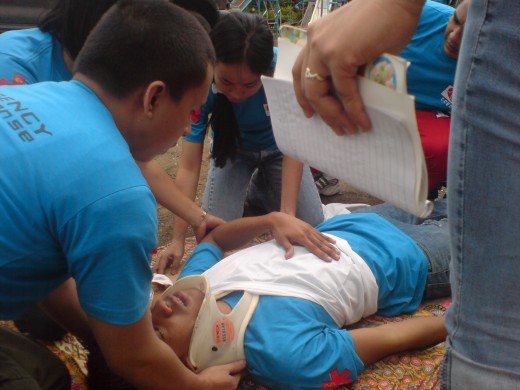
During your assesment and invtervention, it is necessary that you prevent additional injuries and even perhaps death by not moving the victim. This usually aplies to victims of vehicular accident, falling or any emergencies that you may suspect cervical spine injuries. Moving the victim with neck (cervical injury) may cause death. Unecessary movements may also cause paralysis if the victim has spinal column injury. As a general rule, any person who is unconscious should be suspected of having neck injuries. If someone else is available, insure that the victims head and neck is immobilized. This can be done by applying manual immobilization or with the use of a cervical collar if available. The only reason that the victim should be move outright prior to assessment and intervention is the presence of additional threats such as fire, explosion or other emergencies that poses a threat to both patient and the rescuer.
External clues
Certain items from the patient may also give you an idea as to the patients condition or history. These are useful most especially if the victim is unconscious or unable to speak. Here are some of the items that you give you an idea of the patients condition:
- Medical Tags - worn on the neck or on the wrist
- Medications in the form of tablet, capsule, injections,
- Inhalers - may indicate asthma
- doctors prescription
Looking at these items, may give the first aider additional information, contact numbers and other related details that might be vital in providing care.
Now that we have some idea about first aid, it is time to start learning first aid. In most cases of accident and illness, the endpoint if not treated early or if not treated properly, would be death. Clinical death occurs from the moment the person stops breathing and the heart stops pumping from 0 to 4 minutes. This is the best time to act and do something to bring the person back to life since brain damage may occur after such period. The most important thing to do in this case is Cardio Pulmonary Resuscitation
CPR the Step by step guide.
- CPR
CPR step by step guide. - CPR Training Guidelines
CPR Training Based on latest guidelines.
Cardio Pulmonary Resuscitation
Cardio Pulmonary Resuscitation is one of the most important lifesaving technique a first aider must learn. We have to remember that the moment a person stops breathing or the heart stops pumping, the brain cells will start to die in 4 minutes time and eventually brain damage will occur. Once the brain cells die, it cannot be reversed. Doing CPR will prevent the the possibility of death. It is imperative that CPR should be started immediately once the victim goes into pulmonary and cardiac arrest.
Learning CPR
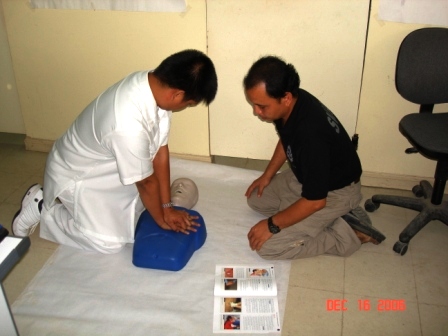
Learning CPR is not a difficult task at all. The course involves lecture and demonstration and usually takes 6 to 8 hours depending on the instructor. Several institutes or training center offers emergency care courses including CPR. There are even online CPR courses available for those who have limited time to attend. After taking the online course, they can proceed to a training center and do the hands on demo or the skills demonstration to receive the course completion cards. Our training center, Basic Lifesaving Solutions, offers CPR courses. Check you locality for schedules and courses available.
Related
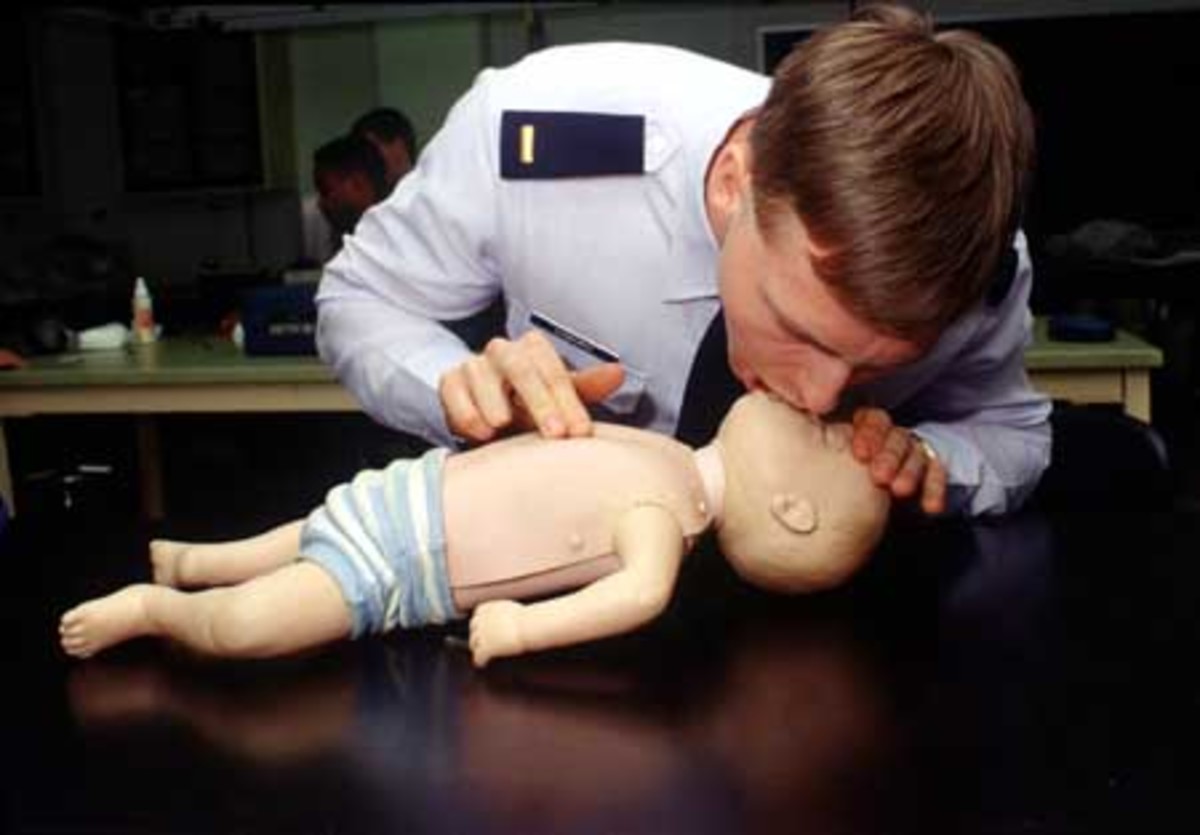
Cardiopulmonary Resuscitation Or CPR ~ Doing Something Is Better Than Doing Nothing
How to Protect Yourself When Giving First Aid

Top 10 Things to Have on a Deserted Island

The Silent Killer Condition that Claimed a Young Cat's Life
How to Give First Aid to Treat Mishaps With Common Household Chemicals