Complete History Of Greece

Complete History Of Greece - Introduction
Complete History Of Greece - Introduction:
Greece has variously been referred to as the “cradle of western civilisation” or “the flame of modern society” We’ve all heard of people such as Socrates, Plato, Achilles or the dreaded Pythagoras, and eaten foods like Souvlaki, fetta cheese and Kalamata olives. But who are the people we now know as the Greeks?

Complete History Of Greece - Minoans & Mycenaeans
Complete History Of Greece - Minoans & Mycenaeans
This period forms the genesis of Greek history, even though its history dates to 6000BC
The Minoans were a maritime people who depended heavily on the sea for food and as a means to trade with others in the region, connection with the sea still strong in Greece
The Mycenaean civilisation flourished around 1400BC, the time of the Acropolis (meaning city on the hill)
They were also seafaring people, but tended to war with neighbours for territory
Trojan War happened around 1184BC with the wooden horse surprise!
The War began as a result of the kidnap of Helen, the wife of the King Priam of Sparta, by Paris, the son of the King of Troy; instead of a fist fight, they started a war that lasted 10 years until the Greeks sent in the wooden horse filled with soldiers who were able to attack and take Troy
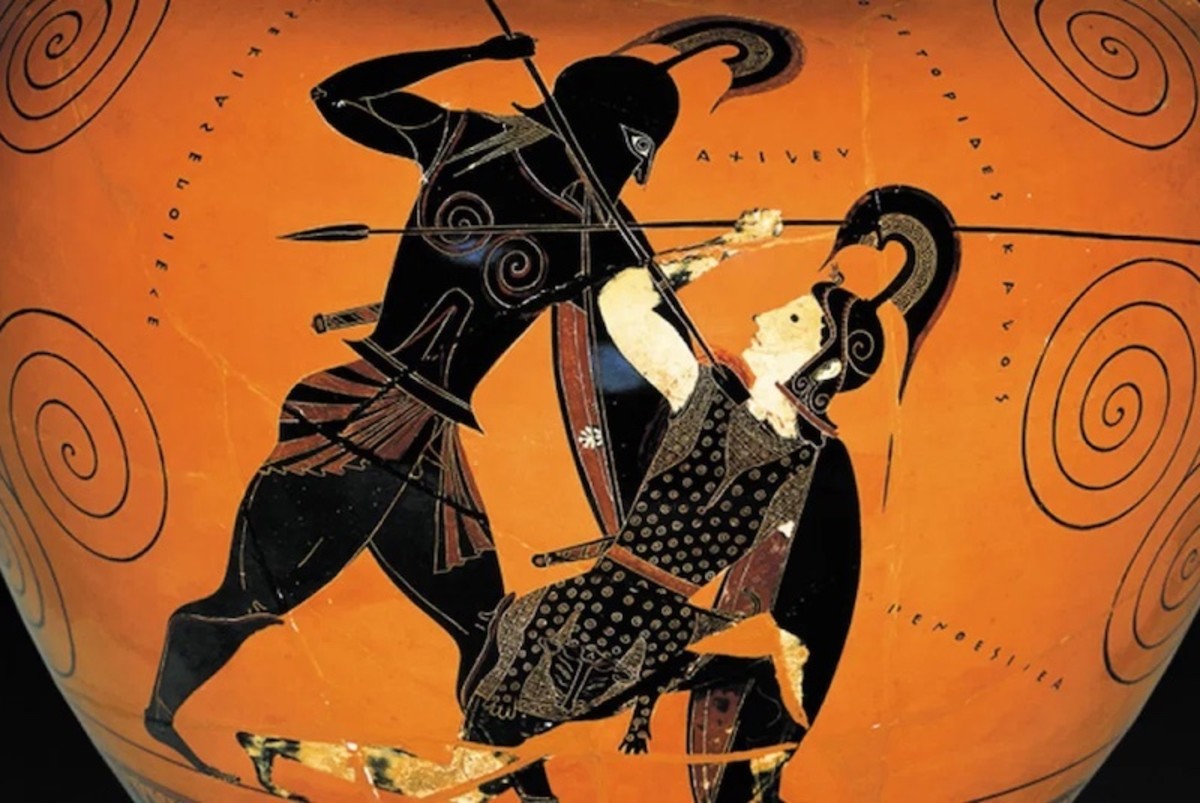
Achilles fought and died in the Trojan War, speared in his heel, the only part not dipped in the River Styx for protection by his mother i.e. his weak spot
Homer, the great Greek writer, documented the Trojan War in The Iliad (Ilium was the Greek name for Troy), he also wrote The Odyssey in which Odysseus sailed to unknown territories, encountered strange sea monsters and resisted the songs of the sirens
The Dorians invaded Greece from Phoenicia and spread out across Greece
Things then quietened down in Greece for many years
Greek gods are well known and were a part of everyday life for all Hellenes, as were heroes for ancient religions, hence the many stories/myths
Complete History Of Greece - Polis or City-States
Complete History Of Greece - Polis or City-States
Magna Graecia (Greater Greece) had spread across Europe and the Mediterranean and there was a unity through the Hellenic language
However the city-states or polis began to emerge in each region
Two of the most powerful were Athens and Sparta
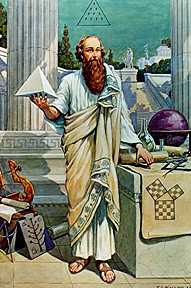
Hellenism or Greek ideals grew and this was the time of great thinkers, philosophers and mathematicians such as Socrates, Plato, Aristotle and Pythagoras (who can recite the theorem?)
Classical Greece was a time when people explored new ways of thinking e.g. Socrates, and buildings were erected in styles that have since been copied the world over, or at the very least been admired by many, eg the Parthenon, home of the Gods on Acropolis
Democracy was also set up, “rule by the people” in the polis
Complete History Of Greece - Peloponnesian Wars
Complete History Of Greece - Peloponnesian Wars
Sparta and Greece were vying for control of Greece
However when Persia attacked in 490BC, the Athenians fought them and won
To bring news of the victory, a messenger ran 50km from the battle field at Marathon to Athens, delivered the good news and dropped dead
He did not stop during the journey and thus the first Marathon had been run, this feat is commemorated in the Modern Olympics
The Olympics actually started in 776BC as a celebration of Hellenistic life and culture, the gods and religion
First held on Mt Olympia, hence the name “Olympics”
After the attack from the Persians (around 490 - 47BC), Sparta and Athens resumed their struggle for control of Greece
Although they briefly united against the Persians at Thermopylae in 480BC
The Peloponnesian Wars were over a period of time around 431 - 404BC
Eventually, Athens surrendered as the war was depleting resources on both sides and putting Greece into political disarray
Complete History Of Greece - Alexander the Great
Complete History Of Greece - Alexander the Great
While Athens and Sparta squabbled, Macedonia was gaining strength under King Philip II
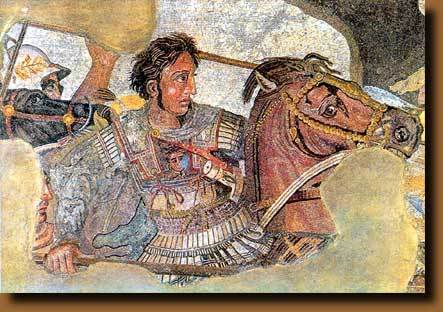
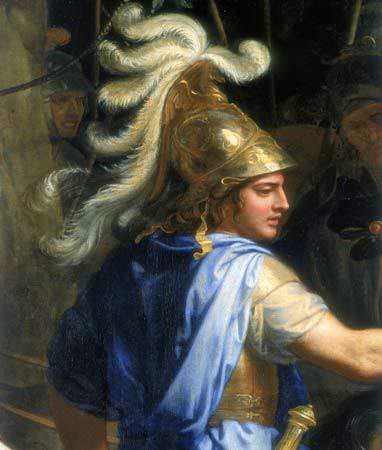
His son Alexander rose to power and took control of Greece in 336BC
Alexander was later named “The Great” for his feats, bravery and all-round ability to conquer just about anything
He was tutored by Aristotle as a young boy and later carried a copy of Homer’s The Iliad with him into battle as he believed he was a direct descendant of Greek hero Achilles
Alexander was a passionate Hellene who defeated every opposition in his battles to create a massive empire
The Greek empire under Alexander stretched from the Adriatic and Egypt and over to Afghanistan and India
Alexander was successful in spreading Greek of Hellene culture as he looked after the people whose rulers he disposed of and meshed the two cultures together
Many cities that he conquered in each area were named after him, hence so many Alexandrias around the lands in his former Empire, eg burial place in Egypt
Alexandria died in 323BC, some say of syphilis, some of alcohol, other of battle wounds
As he left no heir, his empire began to flail and the Romans took over Greece
Romans ruled form approximately 200BC until the Byzantine empire took over at the decline of the Roman Empire, hence Greek classical style is mixed with lavish Byzantine
Complete History Of Greece - Orthodoxy
Complete History Of Greece - Orthodoxy
St Paul travelled from Troy to Kavala and made Greece the first country to be Christianised by him on his journey
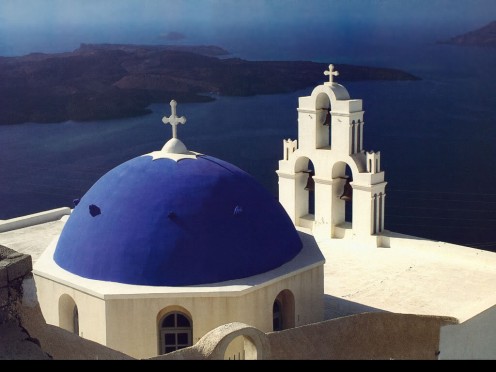
Greek Orthodox Church was founded after breaking from the Roman papacy in 1054
Spiritual and theological issues are open to discussion between the priest and congregation far more than in Catholic belief, but some monks spend time in isolation as hermits during their study for the priesthood
Saints and icons exist but statues of them are not shown in the church
The Julian calendar is still observed, thus celebrations and festivals (e.g. Easter) are thirteen days behind the Roman calendar
War of Independence
Began in 1821 mainly against the Ottoman rule, but also briefly against the Venetians
Eventually in 1830, Greece received independence and borders were drawn up
This war against Turkey has never been forgotten and memories of the conflict continue to cause issues and disputes
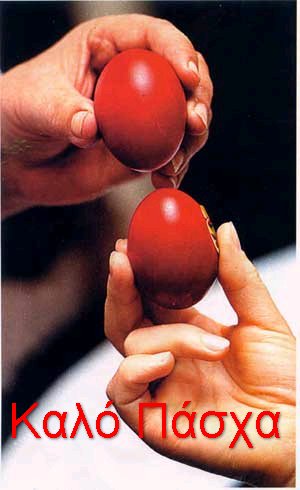
Greek Easter is also connected to the War of Independence and is cause for great celebrations with fireworks, costumes and feasts as well as lollies and presents
Complete History Of Greece - Modern Greece
Complete History Of Greece - Modern Greece
During WWI Greece remained fairly neutral
WWII was occupied by Germany, however there was a strong Greek resistance and the Allies attempted to use Greece as a way to ambush the German troops
There has been an ongoing dispute with Turkey over the ownership of Cyprus, with UN troops recently (1998) deployed on the island)
The Macedonian independence question still looms, dating back to the years BC
Alexander Papandreou came to office in 1970s, but caused a political scandal in late 80s
Greece joined the EU in 1981, but still disputes any involvement by Turkey, a throw-back to the Independence War from Turkey
Still trying to stabilise economically, but Tourism is helping with finances
Relaxed lifestyle and unhurried non-stressful outlook can be very appealing
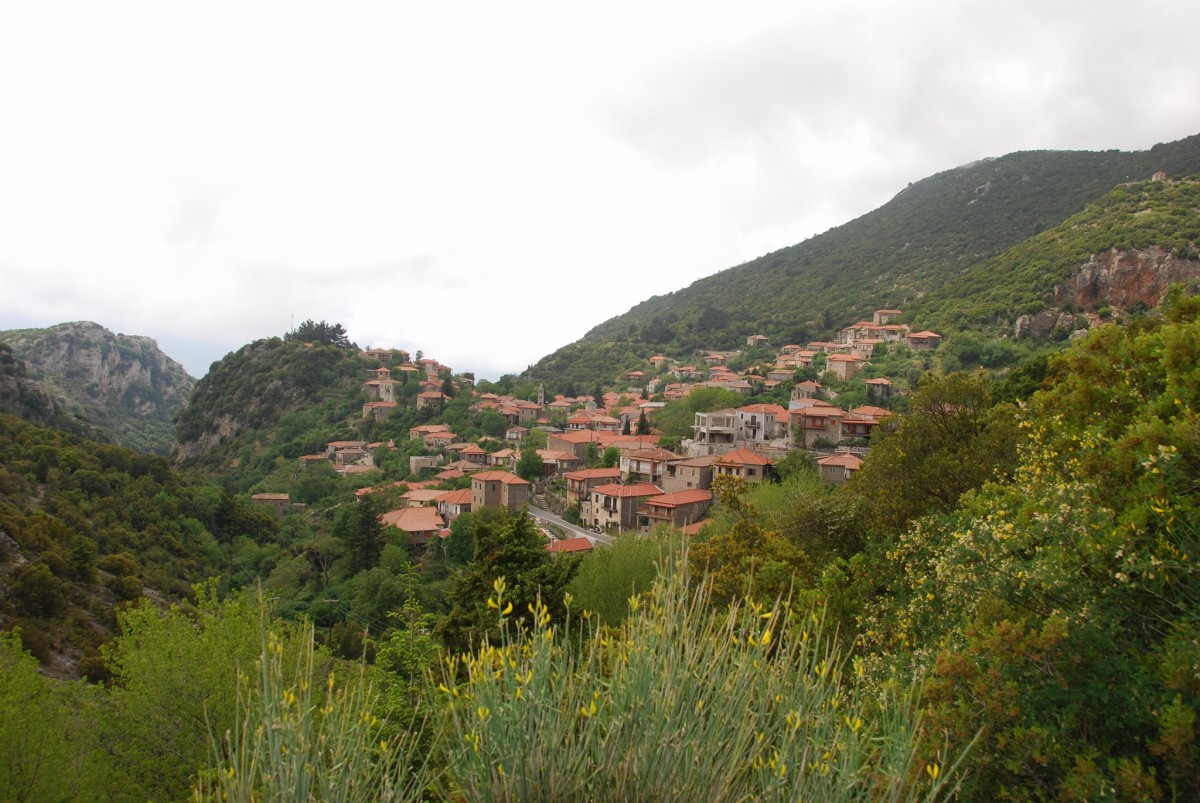
Many parts of Greece, especially the north, still operate by old ways, content with themselves and offering an uncomplicated view of life
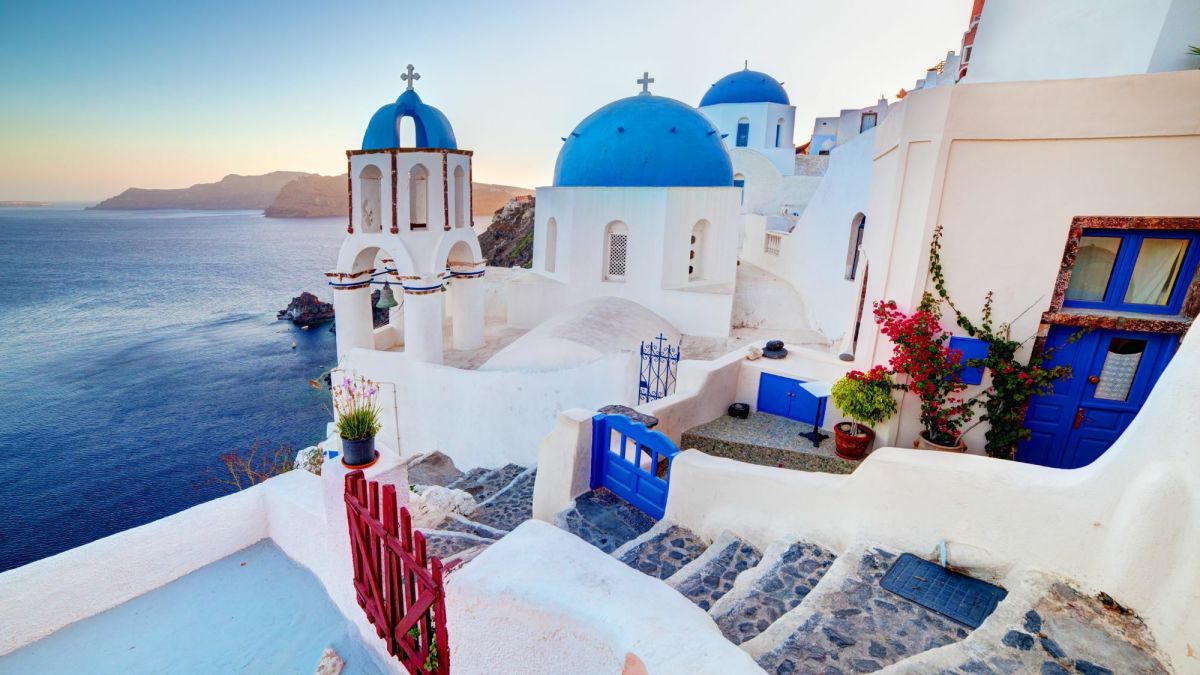
The islands promise and deliver stunning views and relaxing days
My name is Robee Kann, for four years I was a tour guide throughout Europe. I loved my job and I would love to hear from you. You are most welcome to message me to say hello or request a hub about a European subject. Please look at my other hubs and leave a comment for me.
My Other Hubs About Greek People and Places
Please check out my other hubs about Greek People and Places
Bio Of Alexander The Great King Of Macedonia
Athens Sightseeing Athens Sights
The Beautiful Greek Island Corfu
Mount Olympus And The Greek Gods
1896 Summer Olympic Stadium In Athens
Who Was Plato The Greek Philosopher
Related
Unique Island Destinations: Lesbos, Greece
The Motivations of Alexander the Great: What motivated the famous general as he was conquering the world?
Which Greek Island Should I Visit?
The Historical and Mythological Stories of Troy: The Trojan Horse, Homer and the Iliad

My Adventures Touring Europe in 1982 (15) Delphi /Athens